
House to Vote on War Powers Resolution Amidst Iran Concerns
The United States House of Representatives is preparing for a crucial vote on a war powers resolution, escalating the debate over presidential authority to initiate military action without explicit congressional approval. This comes after recent tensions with Iran and concerns regarding the potential for further escalation.
Senate Fails to Pass Resolution
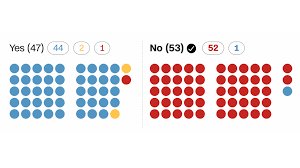
On Wednesday, a similar war powers resolution faced defeat in the Senate. The resolution aimed to compel the Trump administration (and now the Biden administration, continuing the precedent) to seek congressional authorization before continuing any military operations against Iran. The vote highlighted a deep partisan divide, with only one Republican, Senator Rand Paul of Kentucky, siding with Democrats in favor of the measure. Conversely, Democratic Senator John Fetterman of Pennsylvania voted with Republicans against it.
Trump’s Actions and Congressional Response
The urgency of this debate stems from President Trump’s past actions. Lawmakers expressed alarm when President Trump ordered strikes near Tehran and publicly called for regime change in Iran. This prompted questions about the scope of presidential power in matters of war and peace.
Senate Majority Leader John Thune previously argued that the President possesses the constitutional authority to order strikes on Iran, even without a congressional vote. This assertion is at the heart of the current conflict, with many lawmakers arguing that such significant decisions require broader democratic oversight.
What’s at Stake?
The upcoming House vote represents a significant challenge to the executive branch’s authority on foreign policy. A successful resolution would send a strong message to the President, potentially limiting their ability to engage in further military action without congressional consent. This debate underscores the fundamental principles of checks and balances enshrined in the U.S. Constitution.
The outcome of the House vote will be closely watched by both domestic and international observers, as it could have far-reaching implications for U.S. foreign policy and the future of its relationship with Iran. For more information on the constitutional basis of war powers, see Congress.gov’s War Powers resources.
CNN’s Morgan Rimmer contributed to this report.
© 2026 Cable News Network. A Warner Bros. Discovery Company. All Rights Reserved. CNN Sans ™ & © 2016 Cable News Network.



