Inter Miami CF’s White House Visit: Navigating a Political Minefield
The Inter Miami CF, fresh off their MLS Cup victory, are facing a challenge that extends far beyond the pitch: a visit to the White House during a deeply polarized political climate. With Donald Trump back in office, the traditional celebratory visit has become a fraught political decision, forcing athletes into uncomfortable positions.
A Tradition Transformed
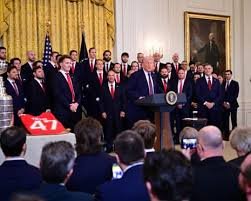
Historically, a White House visit for championship teams was a bipartisan formality. However, under Trump, this tradition has morphed into a political statement. Accepting the invitation can be perceived as tacit approval of the administration, while declining risks backlash and accusations of political protest. This isn’t a new phenomenon; it was a recurring issue during Trump’s first term and continues to be a significant concern for athletes.
The Messi Factor & Team Dynamics
The question of Lionel Messi’s attendance adds another layer of complexity. Reports from The Athletic suggest his participation is uncertain. Regardless, the team as a whole must grapple with the implications of their collective decision. Will they present a united front, or will individual players choose to abstain, mirroring past instances like the Philadelphia Eagles’ partial attendance or the US Women’s National Team’s outright refusal?
Recent Precedents & Athlete Activism
Recent history provides a clear picture of the dilemma. The Golden State Warriors strategically visited the White House under both Obama and Biden, but avoided it during Trump’s presidency. Megan Rapinoe famously declared her refusal to visit Trump’s White House, setting a powerful precedent for athlete activism. The Las Vegas Aces, WNBA champions, visited under Biden but have no current plans to do so under Trump. Even the Los Angeles Dodgers are facing internal debate and fan protests regarding their planned visit.
The Burden on Athletes
The core issue is that athletes are being forced to navigate a political landscape they didn’t create. Sports administrators and executives have largely failed to provide clear guidance or shield their players from the inevitable fallout. Instead, athletes are left to individually weigh the consequences of their choices – potentially becoming the backdrop for controversial statements or facing intense public scrutiny.
A Lose-Lose Situation?
Ultimately, Inter Miami CF faces a no-win scenario. Any image of players shaking Trump’s hand will be scrutinized and imbued with political meaning. Their decision, whatever it may be, will be interpreted through a political lens. This highlights a systemic failure within sports administration to proactively address this recurring issue and protect athletes from being thrust into unwanted political battles.
As Leander Schaerlaeckens points out in his upcoming book, The Long Game, this issue is unlikely to disappear anytime soon. The Inter Miami CF’s situation serves as a stark reminder of the increasing intersection of sports and politics in the modern era.
Learn more about the intersection of sports and politics: ESPN – Inter Miami’s White House Visit