
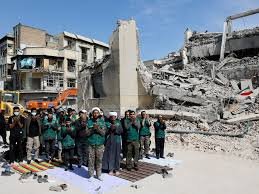
Iran Strikes Israel: A Deep Dive into the Escalating Conflict
The recent direct attack by Iran on Israel represents a significant and dangerous escalation in a region already fraught with tension. This retaliatory strike, following suspected Israeli actions, has sent shockwaves across the globe, prompting international concern and raising fears of a wider regional war. The situation is rapidly evolving, with ongoing military activity and complex geopolitical implications.
What Triggered the Attack?
The immediate catalyst for Iran’s strike appears to be the April 1st airstrike on the Iranian consulate in Damascus, Syria, which Israel is widely believed to have conducted. This attack resulted in the deaths of several high-ranking Iranian military officials. Iran vowed retaliation, and the recent barrage of drones and missiles represents the fulfillment of that promise. Understanding this context is crucial to grasping the current crisis.
The Nature of the Iranian Response
Iran launched a massive wave of over 300 drones and missiles towards Israel, a scale of attack unprecedented in direct confrontation between the two nations. While the majority were intercepted by Israel’s air defense systems, bolstered by assistance from the United States, the UK, and Jordan, the sheer volume of the attack demonstrated Iran’s capabilities and resolve. Reports indicate damage to a military facility in southern Israel, but the extent is still being assessed.
Impact on Global Energy Markets
The escalating conflict is already impacting global energy markets. Oil prices have spiked in response to the increased geopolitical risk, with Brent crude futures rising significantly. The Strait of Hormuz, a critical chokepoint for global oil supply, is particularly vulnerable. Disruptions to shipping through this vital waterway could have severe consequences for the world economy. You can find more information on energy market analysis from the U.S. Energy Information Administration.
Lebanon and the Widening Conflict
The conflict isn’t limited to Iran and Israel. Israeli forces have been heavily shelling southern Lebanon, engaging in clashes with Hezbollah, a powerful Iran-backed militant group. This raises the specter of a two-front war for Israel, further complicating the situation. Hezbollah has vowed to escalate its attacks if Israel continues its offensive in Gaza.
International Response and Potential Scenarios
The international community is urging de-escalation and restraint. The United States has reaffirmed its unwavering support for Israel’s security while simultaneously working to prevent a wider conflict. Diplomatic efforts are underway, but the path to de-escalation remains uncertain. Potential scenarios range from a limited exchange of fire to a full-scale regional war, with devastating consequences. The United Nations is actively involved in mediation efforts, as detailed on their Middle East page.
Looking Ahead
The situation remains highly volatile and unpredictable. The coming days and weeks will be critical in determining whether the conflict can be contained or whether it will spiral into a broader regional war. Continued monitoring of developments and a concerted effort towards diplomatic resolution are essential to prevent further escalation and protect regional and global stability.



