
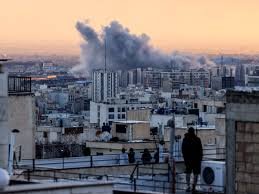
Israel-Iran Attack: A Deep Dive into Escalating Tensions
The Middle East is once again on edge as tensions between Israel and Iran reach a boiling point. Recent days have witnessed a significant escalation of attacks, with both nations engaging in direct and indirect confrontations. This isn’t simply a regional conflict; the repercussions are being felt globally, particularly in energy markets.
The Current Situation: Attacks and Counterstrikes
The current wave of conflict began with reported Israeli strikes targeting Iranian facilities. These actions were followed by retaliatory counterstrikes from Iran, disrupting oil flows in the Middle East. Lebanon has also been drawn into the fray, experiencing bombardments as the conflict widens. The situation is incredibly volatile and rapidly evolving.
US Involvement and Justification
The United States’ role in this escalating conflict is a critical point of discussion. While not directly initiating the attacks, the US has provided significant support to Israel, and its justification for allowing, or even tacitly supporting, attacks on Iran is under intense scrutiny. The Biden administration has stated its commitment to Israel’s security, but also emphasizes the need to de-escalate the situation. Understanding the nuances of US foreign policy in the region is crucial to grasping the full scope of the crisis. You can find more information on US-Iran relations at the U.S. Department of State website.
Impact on Global Oil Markets
The disruption of oil flows in the Middle East is a major concern. The Strait of Hormuz, a vital chokepoint for global oil supply, is particularly vulnerable. Any prolonged disruption could lead to significant price increases, impacting economies worldwide. Analysts at The U.S. Energy Information Administration are closely monitoring the situation and providing updates on potential impacts to the energy sector.
What’s Next? Potential Scenarios
Several potential scenarios could unfold in the coming days and weeks:
- Continued Escalation: Further attacks and counterstrikes could lead to a full-scale regional war.
- Diplomatic Intervention: International efforts to mediate a ceasefire and de-escalate tensions.
- Proxy Conflicts: Increased reliance on proxy groups to wage conflict, avoiding direct confrontation.
- Limited Strikes: A series of calculated strikes aimed at sending a message without triggering a wider war.
The situation remains highly unpredictable. Monitoring developments closely and understanding the underlying geopolitical factors are essential for navigating this complex crisis.
Staying Informed
For the latest updates and in-depth analysis, consider following these reputable news sources:



