
Turkey Intercepts Iranian Missile: A Deep Dive into Regional Tensions
A ballistic missile fired from Iran was successfully intercepted as it approached Turkish airspace, following a trajectory over Syria and Iraq. The Turkish Ministry of National Defence confirmed the incident, highlighting a significant escalation in regional tensions. This event raises critical questions about the stability of the Middle East and the effectiveness of NATO’s air defense systems.
Details of the Interception
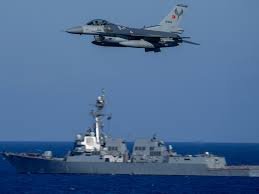
According to the Turkish Ministry of National Defence, the missile was detected traversing Iraqi and Syrian airspace before entering the vicinity of Turkish territory. NATO air and missile defense assets, strategically positioned in the eastern Mediterranean, engaged and neutralized the threat in a timely manner. The precise intended target of the missile remains unclear.
“A ballistic munition launched from Iran, which was detected passing through Iraqi and Syrian airspace and heading towards Turkish airspace, was engaged in a timely manner by NATO air and missile defence assets stationed in the eastern Mediterranean and rendered inactive,” the ministry stated on Wednesday. Crucially, no casualties or injuries were reported.
Diplomatic Fallout and Turkish Response
Ankara has reserved the right to respond to any hostile actions directed against it, while simultaneously urging all parties to exercise restraint and avoid further escalating the conflict. Turkish Minister of Foreign Affairs Hakan Fidan conveyed Ankara’s strong protest to his Iranian counterpart regarding the missile launch.
During a phone call, Fidan emphasized the necessity of avoiding any actions that could broaden the scope of the conflict, according to reports from Reuters. This diplomatic exchange underscores Turkey’s commitment to de-escalation, even as it asserts its right to self-defense.
NATO’s Condemnation and Support
NATO swiftly condemned Iran’s targeting of Turkey, reaffirming its unwavering support for all its Allies. NATO spokesperson Allison Hart emphasized the strength of the organization’s deterrence and defense posture across all domains, particularly in air and missile defense.
“Our deterrence and defence posture remains strong across all domains, including when it comes to air and missile defence,” Hart stated. This statement serves as a clear signal of NATO’s resolve to protect its member states.
Strategic Importance of Incirlik Air Base
The incident also highlights the strategic importance of Incirlik Air Base in Turkey. This base, utilized by foreign military forces – primarily the US and other NATO allies – plays a crucial role in regional security. While under Turkish air force control, it operates as a joint Turkish-US airbase.
Incirlik has a long history of supporting US-led operations, serving as a critical logistics hub during the 1991 Gulf War and subsequent operations in Iraq and Afghanistan. Despite a temporary denial of access for the 2003 invasion of Iraq, the base has been heavily utilized for anti-ISIL (ISIS) strikes since 2014. Learn more about Incirlik Air Base.
Related Incidents in Cyprus
Separately, authorities in Cyprus temporarily closed airspace above Larnaca after detecting a suspicious object. This followed an incident on Sunday where an Iranian-made drone caused minor damage to a UK military base on the island, and the downing of two additional drones on Monday. Greek jets and frigates have been deployed to bolster air defense capabilities around Cyprus.
The security situation in Cyprus remains tense, with ongoing efforts to intercept and neutralize potential drone threats. The coordinated response demonstrates a heightened state of alert in the region.
Looking Ahead
The interception of the Iranian missile near Turkish airspace represents a dangerous escalation in regional tensions. Continued diplomatic efforts and a commitment to de-escalation are crucial to prevent further conflict. The incident underscores the importance of robust air and missile defense systems and the strength of alliances like NATO in maintaining regional stability.



