
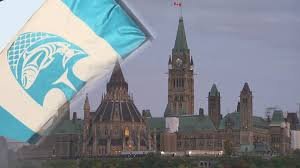
Indigenous Rights Agreements Spark Heated Debate in British Columbia
Recent agreements signed between the federal government and the Musqueam First Nation have ignited a firestorm of controversy in British Columbia, dominating discussions in the BC legislature and raising concerns among residents. The agreements, focused on fisheries, stewardship, and marine management, have been met with skepticism and accusations of a lack of transparency.
Political Fallout and Accusations of Secrecy
The fallout began during question period in the BC legislature, where BC Conservative interim leader Trevor Halford challenged the provincial government’s knowledge of the agreements. Halford pointed out discrepancies in statements made by the Minister of Indigenous Relations and Premier David Eby regarding their awareness of the deals.
Premier Eby initially stated he had no prior knowledge of the agreements, even admitting he attended the signing ceremony on February 20th without being briefed on the contents. This sparked further criticism, with Halford questioning Eby’s competency or suggesting a deliberate lack of transparency. Eby later clarified he was glad to see the federal government working with the Musqueam people, but hadn’t been informed of the specifics until the public release.
Concerns Over Land Rights and Public Assets
A significant source of concern revolves around the potential implications for land ownership and public assets. Some residents fear the agreements could lead to a “land grab” and jeopardize their property rights. These anxieties were fueled by initial comments from the opposition, which Eby refuted as “nonsense.”
Musqueam Chief Wayne Sparrow has clarified that the agreements do not directly impact private properties. However, he acknowledged that future negotiations will address issues of title, including those related to third-party and municipal lands. This ambiguity continues to fuel public debate.
DRIPA and Calls for Public Consultation
The controversy also reignited discussions surrounding the Declaration on the Rights of Indigenous Peoples Act (DRIPA). Eby previously stated the government would amend, but not repeal, the legislation. Calls are growing for a public vote on DRIPA and greater transparency in future negotiations.
Critics argue that the current process lacks adequate public consultation and that decisions are being made behind closed doors. They advocate for a return to a system where public assets are controlled by the public, rather than through agreements negotiated with First Nations without broader input.
Moving Forward: A Need for Clarity and Collaboration
Premier Eby acknowledged the need for improved communication and stakeholder engagement in future Indigenous relations work. He expressed a willingness to learn from the current situation and ensure greater transparency in the process. However, the opposition remains skeptical, accusing Eby of either incompetence or deliberate obfuscation.
As the debate continues, the need for clear communication, genuine consultation, and a collaborative approach to Indigenous rights remains paramount. The future of these agreements, and their impact on British Columbia, hinges on addressing the concerns of all stakeholders and fostering a more inclusive and transparent process.
Stay informed: For further updates on this developing story, visit Global News.



