
Escalating Tensions and Controversial Bets: A Look at Current Events
The situation in the Middle East continues to escalate, demanding attention and understanding. Recent developments, including strikes against Iran and retaliatory actions, have brought the region to a critical juncture. This article provides context for these current events and examines the history leading up to this point.
The Aftermath of Strikes and a Shocking Prediction
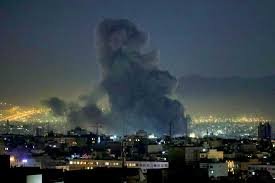
On February 28th, a joint operation by the United States and Israel resulted in the deaths of Iran’s supreme leader and top military leaders. This prompted immediate retaliation from Iranian authorities, with strikes targeting Israel and US bases across the Gulf. Amidst this turmoil, a startling story emerged regarding prediction markets.
An account operating under the username “Magamyman” reportedly made over $553,000 by correctly predicting the removal of Ayatollah Ali Khamenei, Iran’s Supreme Leader, just prior to the Israeli strike. This success has sparked intense scrutiny from members of Congress and critics of prediction markets, who argue that these platforms create opportunities for individuals with access to classified information to profit from lethal military operations.

Political Fallout and Trump Family Ties
Senator Chris Murphy (D-Conn.) expressed outrage on X (formerly Twitter), stating, “It’s insane this is legal. People around Trump are profiting off war and death.” He announced plans to introduce legislation to outlaw such activity. The White House denied any involvement from individuals within Trump’s circle. However, connections between the Trump family and Polymarket, the prediction market in question, have come to light. Donald Trump Jr. serves as an advisor to Polymarket, and his venture capital firm, 1789 Capital, has invested millions into the company. Furthermore, the Trump administration reportedly halted two federal investigations into Polymarket that were initiated by the Biden administration.
A Pattern of Suspiciously Accurate Bets
This isn’t an isolated incident. In January, an anonymous trader made substantial profits by placing well-timed bets ahead of the arrest of Venezuelan leader Nicolás Maduro. In Israel, authorities charged two individuals for using classified information to bet on Polymarket regarding potential attacks on Iran during a 12-day conflict last June. The vast majority of trading related to the Iranian leader’s fate occurred on an overseas exchange operated by Polymarket, placing it beyond the immediate reach of US regulators.
Regulatory Gray Areas and Conflicting Responses
While Polymarket has received approval to launch a US-based platform, it hasn’t fully launched yet. Many American traders currently access the site through virtual private networks (VPNs) to mask their location. Most prediction markets are regulated by the Commodity Futures Trading Commission (CFTC), which classifies them as “futures contracts” rather than gambling. However, US commodity trading laws prohibit trades based on events like death and war, as they incentivize violence and instability.
Kalshi, another major prediction market, demonstrated this constraint when it paused trading on a market tied to Khamenei’s removal. Despite users correctly predicting his death, payouts were withheld. Kalshi CEO Tarek Mansour explained that the company doesn’t list markets directly tied to death and designs rules to prevent profiting from such outcomes. Kalshi ultimately issued partial refunds, but the decision sparked outrage among traders who felt misled.
The Need for Regulation and Ethical Considerations
Amanda Fischer, a former SEC official, argues that Congress must act to address the “perverse incentives and chaos” caused by betting on death and destruction. She emphasizes that prediction markets are creating opportunities to bet on events that are essentially proxies for war or assassination. The controversy surrounding the Khamenei wagers highlights the urgent need for regulation and a reevaluation of the ethical implications of these platforms.
You can find more information about the evolving situation in the Middle East from reputable sources like NPR’s Middle East coverage and Reuters’ Middle East section.



