School Closings and Delays: What You Need to Know
Navigating school closings and delays can be stressful for parents and students alike. From unexpected snowstorms to emergency situations, disruptions to the school schedule are a reality. This guide provides a comprehensive overview of how to stay informed, understand the reasons behind these decisions, and prepare for potential disruptions.
Why Do Schools Close or Delay?
Several factors can lead to school closings and delays. The most common include:
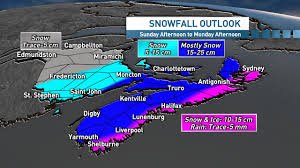
- Severe Weather: Snow, ice, extreme cold, hurricanes, and flooding are primary reasons for school closures.
- Emergency Situations: Power outages, natural disasters (earthquakes, tornadoes), and public safety concerns (e.g., nearby police activity) can necessitate closures.
- Infrastructure Issues: Problems with heating systems, water mains, or building damage can also lead to school disruptions.
- Public Health Concerns: Pandemics or widespread illness outbreaks, like the recent COVID-19 pandemic, have significantly impacted school schedules.
How to Stay Informed About School Closings and Delays
Staying up-to-date on school closings and delays requires utilizing multiple sources of information. Here are some key resources:
- School District Website: This is the primary source for official announcements. Most districts have a dedicated section for emergency information.
- Local News Channels: Television and radio stations typically broadcast school closing and delay information. Check NBC News or CNN for national updates.
- School District Social Media: Many districts use platforms like Facebook and Twitter to quickly disseminate information.
- School Alert Systems: Sign up for text message or email alerts from your school district.
- School Phone Lines: While often overwhelmed during widespread closures, school phone lines can provide information.
Understanding Delay Schedules
A school delay doesn’t necessarily mean school is canceled. Delays allow time for:
- Road Clearing: Giving crews time to plow snow or address hazardous road conditions.
- Heating System Checks: Ensuring buildings are adequately heated during cold weather.
- Safe Arrival of Students: Providing a safer commute for students and staff.
Pay close attention to the specific terms of the delay (e.g., “2-hour delay”) to understand the adjusted start and dismissal times.
Preparing for School Closings and Delays
Being prepared can minimize the disruption caused by school closings and delays:
- Have a Backup Childcare Plan: If you work, arrange for childcare in advance.
- Stock Up on Essentials: Ensure you have enough food, medications, and other necessities.
- Plan for Remote Learning: If your school utilizes remote learning, ensure your child has the necessary technology and resources.
- Discuss Emergency Procedures: Talk to your children about what to do in case of a school closure or emergency.
Resources
For more information on emergency preparedness, visit Ready.gov.