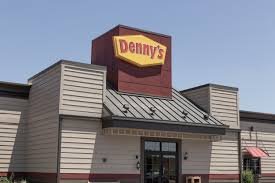
Denny’s: More Than Just a Grand Slam
Denny’s. The name evokes images of late-night cravings, comforting breakfasts, and a distinctly American diner experience. But behind the iconic logo and the 24/7 availability lies a rich history and a constant evolution. This article dives deep into the story of Denny’s, exploring its origins, its cultural impact, and its strategies for staying relevant in a rapidly changing culinary landscape.
From Danny’s Donuts to Denny’s Diner
The story begins in 1953 in Lakewood, California. Harold Butler and Richard Heckmann, recognizing a need for a consistent, affordable dining option, opened a small coffee shop called Danny’s Donuts. However, they quickly realized that donuts alone weren’t enough to sustain the business. They expanded the menu to include breakfast and lunch items, and in 1959, they rebranded as Denny’s – a more approachable and memorable name. This marked the birth of what would become a national institution.
The Rise of the 24/7 Diner
Denny’s capitalized on a growing trend: the desire for convenient, all-day dining. The 24/7 model proved incredibly successful, catering to truck drivers, night owls, and anyone seeking a reliable meal at any hour. Franchising played a crucial role in Denny’s expansion, allowing the brand to quickly spread across the United States. By the 1970s, Denny’s had become a ubiquitous sight along highways and in towns across the country.
Iconic Menu Items and Cultural Impact
No discussion of Denny’s is complete without mentioning its iconic menu items. The Grand Slam breakfast, introduced in 1972, quickly became a signature dish, offering a hearty and satisfying start to the day. Moons Over My Hammy, the Original Pancake Breakfast, and countless other dishes have cemented Denny’s place in American culinary culture. The diner has also frequently appeared in movies, television shows, and music, further solidifying its cultural relevance. For example, it’s been featured in films like “Trainspotting” and has been referenced in numerous songs.
Challenges and Modernization
Like many established brands, Denny’s faced challenges in the late 20th and early 21st centuries. Competition from fast-food chains and changing consumer preferences required the company to adapt. Denny’s responded by modernizing its menu, introducing healthier options, and investing in restaurant renovations. They also embraced social media and digital marketing to connect with a younger audience. A key strategy has been limited-time offers and innovative menu items, like the Pancake Puppies, which generated significant buzz.
Denny’s Today: A Diner for a New Generation
Today, Denny’s continues to thrive, serving millions of customers each year. The company has successfully balanced its classic diner roots with a commitment to innovation and modernization. They’ve also focused on improving the customer experience, offering online ordering, delivery, and a loyalty program. Denny’s isn’t just a place to eat; it’s a place to connect, to celebrate, and to experience a slice of American culture. You can learn more about their current initiatives on their official website: https://www.dennys.com/
Looking Ahead
The future of Denny’s looks bright. By continuing to adapt to changing consumer needs and embracing new technologies, Denny’s is poised to remain a beloved American diner for generations to come. The brand’s ability to evolve while staying true to its core values is a testament to its enduring appeal.