Moon Phase Today: What You Can See in the Night Sky
The Moon is captivating, isn’t it? Even though it’s not quite full, it’s already appearing larger and brighter in our skies. But what exactly are you looking at? Let’s dive into the current moon phase today and what you can observe, whether with your naked eye, binoculars, or a telescope.
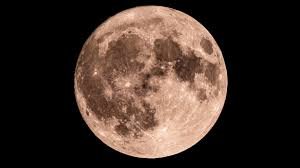
Current Moon Phase: Waxing Gibbous
As of February 28th, the Moon is in its Waxing Gibbous phase. According to NASA’s Daily Moon Guide, approximately 88% of the Moon is illuminated tonight. This means you’re seeing more than half of the lunar surface lit up, steadily approaching fullness.
What Can You See?
- Naked Eye: Even without any equipment, you can easily spot the prominent dark areas known as Mares Tranquillitatis (Sea of Tranquility) and Crisium (Sea of Crises).
- Binoculars: Step up your viewing with binoculars! You’ll be able to discern Mare Nectaris (Sea of Nectar), the Alphonsus Crater, and the majestic Alps Mountains.
- Telescope: For the serious lunar observer, a telescope unlocks a whole new level of detail. You can pinpoint the landing sites of Apollo 15 and Apollo 11, and explore the rugged terrain of the Fra Mauro Highlands.
Upcoming Full Moon & Lunar Cycle
Mark your calendars! The next Full Moon is scheduled for March 3rd. The last Full Moon graced our skies on February 1st. But the Moon’s journey doesn’t stop there.
The Moon orbits the Earth approximately every 29.5 days, cycling through eight distinct phases. While we always see the same side of the Moon, the amount of sunlight illuminating its surface changes, creating the beautiful variations we observe from Earth.
The Eight Lunar Phases Explained
- New Moon: The Moon is positioned between the Earth and the Sun, rendering the side facing us dark and invisible.
- Waxing Crescent: A slender sliver of light appears on the right side (in the Northern Hemisphere), gradually growing.
- First Quarter: Half of the Moon is illuminated on the right side, resembling a half-moon.
- Waxing Gibbous: More than half of the Moon is lit, continuing to swell towards fullness.
- Full Moon: The entire face of the Moon is brilliantly illuminated.
- Waning Gibbous: The Moon begins to lose light on the right side (Northern Hemisphere), shrinking from fullness.
- Third Quarter (Last Quarter): Another half-moon, but now the left side is illuminated.
- Waning Crescent: A thin crescent of light remains on the left side before disappearing into the New Moon phase.
Want to learn more about the Moon and space exploration? Check out NASA’s official website for the latest updates and stunning imagery.
So, step outside tonight, look up, and appreciate the beauty of the moon phase today! It’s a reminder of the wonders that exist beyond our planet.
Source: Mashable