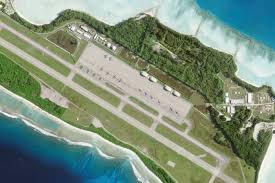
Diego Garcia: A Paradise Lost and a Geopolitical Hotspot
Diego Garcia, a remote atoll in the central Indian Ocean, is far more than just a picturesque tropical island. It’s a territory steeped in controversy, a crucial strategic asset for the United States military, and a symbol of displacement for the Chagos Islanders, the original inhabitants forcibly removed from their homes. This article delves into the complex history, geopolitical importance, and ongoing struggle surrounding Diego Garcia.
A Brief History: From Colonial Possession to Strategic Base
Originally part of Mauritius, Diego Garcia became a British Overseas Territory in 1965, seven years before Mauritius gained independence. The UK strategically separated the Chagos Archipelago, which includes Diego Garcia, to create the British Indian Ocean Territory (BIOT). This move was largely motivated by the United States’ desire for a location to establish a military base in the Indian Ocean during the Cold War. The US offered the UK £3 million for the territory, a deal that effectively sealed the fate of the Chagos Islanders.
Between 1967 and 1973, the entire population of Diego Garcia – around 2,000 people – was forcibly removed, primarily to Mauritius and the Seychelles. The US government and the UK government have consistently maintained that the removal was necessary for the construction and operation of the military base. However, the Islanders have fought tirelessly for their right to return, arguing that their expulsion was illegal and a violation of human rights. You can find more information about their struggle at [https://www.chagosrefugees.org/](https://www.chagosrefugees.org/).
The Strategic Importance of Diego Garcia
Diego Garcia’s strategic location makes it an invaluable asset for the US military. Its central position in the Indian Ocean allows for rapid deployment of forces to key regions, including the Middle East, Africa, and Asia. The base has been used in numerous military operations, including the Gulf War, the wars in Afghanistan and Iraq, and counter-piracy efforts in the Indian Ocean. The deep-water port and extensive facilities make it a critical logistical hub.
According to the [Council on Foreign Relations](https://www.cfr.org/backgrounder/diego-garcia), the base provides a crucial platform for power projection and maintaining US influence in the region. Its continued operation is seen as vital for US national security interests.
The Chagos Islanders’ Fight for Justice
The Chagos Islanders have been fighting for decades to return to their homeland. They have pursued legal challenges in both British and international courts, arguing that their forced removal was unlawful and a violation of their fundamental rights. In 2019, the International Court of Justice (ICJ) issued an advisory opinion stating that the UK’s administration of the Chagos Archipelago is unlawful. However, the UK has refused to relinquish control of the territory.
The struggle continues, with the Chagos Islanders determined to reclaim their right to live on their ancestral lands. Their story is a poignant reminder of the human cost of geopolitical strategy and the enduring power of resistance. The issue highlights the complex interplay between national security, colonial legacies, and human rights.
The Future of Diego Garcia
The future of Diego Garcia remains uncertain. The lease agreement between the US and the UK runs until 2036, and there is little indication that either country is willing to alter the current arrangement. However, growing international pressure and the ongoing legal challenges by the Chagos Islanders may eventually force a reassessment of the situation. The question of whether the Islanders will ever be allowed to return home remains a central and deeply emotional issue.