
Iran-Israel Tensions Escalate: US Embassy Staff Urged to Depart
The situation between Iran and Israel is rapidly evolving, prompting the United States to take precautionary measures regarding its embassy staff in Israel. US Ambassador to Israel, Mike Huckabee, sent an email to embassy personnel on Friday advising those wishing to leave the country to do so “TODAY,” amidst growing concerns of a potential strike on Iran. This directive underscores the heightened anxiety surrounding a possible military confrontation.
Urgent Departure Recommendation
While emphasizing “no reason to panic,” Ambassador Huckabee explained the decision was made “out of an abundance of caution.” He acknowledged the anticipated surge in demand for outbound flights and urged staff to secure tickets to any destination facilitating subsequent travel to Washington D.C. This proactive approach highlights the seriousness with which the US government views the escalating situation.
State Department Authorization
Prior to the Ambassador’s email, the US embassy had already authorized the departure of non-essential personnel. A statement on the embassy’s website confirmed the State Department’s authorization, citing “safety risks” as the primary concern. The embassy further advised, “Persons may wish to consider leaving Israel while commercial flights are available.”
International Response
The US isn’t alone in responding to the increasing tensions. The United Kingdom has temporarily withdrawn its staff from Iran, with the embassy operating remotely. France has issued a travel advisory, urging its citizens to refrain from traveling to Israel or the occupied West Bank due to the volatile situation in Iran. These coordinated responses demonstrate a shared international concern.
Military Buildup
The warnings coincide with the expected arrival of the USS Gerald Ford carrier strike group in the eastern Mediterranean, a significant display of US force projection in the region. This buildup, along with the reported presence of a dozen stealth F-22 fighter jets in southern Israel and at least nine aerial tankers at Ben Gurion International Airport, signals a clear preparation for potential military action. You can find more information about US military deployments here.
Diplomatic Efforts and Stumbling Blocks
Despite the military preparations, diplomatic efforts to de-escalate the situation continue. The US and Iran have been engaged in high-stakes talks aimed at reaching a new nuclear agreement. The most recent meeting took place in Geneva on Thursday, but significant gaps remain between Washington and Tehran. US envoys have demanded the complete dismantling of Iran’s primary nuclear facilities – Fordow, Natanz, and Isfahan – and perpetual restrictions on nuclear enrichment. Iran, however, is reportedly proposing a temporary suspension of enrichment, lasting only three to five years.
Omani Mediation
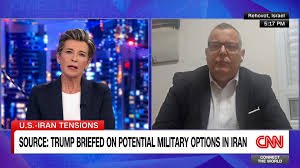
Omani Foreign Minister Badr Al Busaidi, a key mediator in the talks, briefed Vice President JD Vance in Washington on Friday, reporting “major, important and unprecedented progress.” However, even with these diplomatic efforts underway, the commander of US Central Command, Adm. Brad Cooper, briefed President Trump on potential military options in Iran.
The situation remains fluid and highly sensitive. Continued monitoring of developments is crucial as the world watches to see if diplomatic solutions can prevail over the threat of military conflict.



