Cuba, the largest island in the Caribbean, is a destination unlike any other. More than just pristine beaches and classic cars, Cuba is a captivating blend of history, culture, and a spirit of resilience that resonates with every visitor. From the bustling streets of Havana to the tranquil beauty of Viñales Valley, Cuba offers an experience that stays with you long after you’ve left its shores.
A Journey Through Time: Cuba’s Rich History
Cuba’s history is a complex tapestry woven with threads of Spanish colonialism, revolution, and a unique socialist identity. The island was a crucial hub for the Spanish Empire, leaving behind a legacy of stunning architecture, particularly in Havana, a UNESCO World Heritage site. Walking through Old Havana (Habana Vieja) feels like stepping back in time, with its colonial buildings, cobblestone streets, and vibrant plazas. The Cuban Revolution of 1959, led by Fidel Castro, dramatically reshaped the nation, and its impact is still felt today. Understanding this history is key to appreciating the Cuban experience.
For a deeper dive into Cuban history, consider visiting the Museo de la Revolución in Havana, housed in the former Presidential Palace. It offers a fascinating, albeit one-sided, perspective on the revolution and its aftermath. You can also explore the Castillo del Morro, a 16th-century fortress guarding the entrance to Havana Bay, a testament to the island’s strategic importance throughout history. UNESCO’s World Heritage List provides further information on Cuba’s historical sites.
The Heartbeat of Cuba: Culture and Music
Cuban culture is a vibrant explosion of music, dance, art, and a deep sense of community. Music is the soul of Cuba, with genres like son, salsa, rumba, and bolero filling the air. Live music can be found everywhere, from grand theaters to small, intimate bars. Don’t miss the opportunity to experience a traditional Cuban music performance – it’s an unforgettable experience.
- Salsa: The iconic Cuban dance, energetic and passionate.
- Son Cubano: The precursor to salsa, with a more laid-back rhythm.
- Rumba: A vibrant and percussive dance with African roots.
- Buena Vista Social Club: A legendary ensemble that brought Cuban music to the world stage.
Beyond music, Cuba boasts a thriving art scene. From the colorful murals adorning Havana’s buildings to the contemporary art galleries showcasing emerging artists, there’s something to inspire every art lover. The Fábrica de Arte Cubano (FAC) in Havana is a must-visit, a multi-disciplinary art space that combines art exhibitions, live music, film screenings, and more.
Exploring Cuba’s Landscapes
Cuba isn’t just about cities; its natural landscapes are equally captivating. The Viñales Valley, a UNESCO World Heritage site, is a stunning region of lush green valleys, towering limestone hills (mogotes), and tobacco farms. Take a horseback riding tour through the valley, visit a tobacco farm to learn about the art of cigar making, and enjoy the breathtaking scenery.
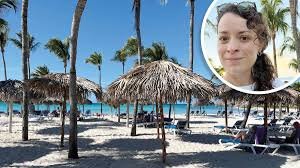
Varadero, Cuba’s most famous beach resort, offers miles of pristine white sand and turquoise waters. It’s the perfect place to relax, soak up the sun, and enjoy water sports. For a more secluded beach experience, head to the beaches of Cayo Coco and Cayo Guillermo, known for their crystal-clear waters and abundant marine life. Cuba Travel offers detailed information on various destinations.
Travel Tips for Cuba
Traveling to Cuba requires some planning. Ensure you have the necessary travel documents, including a visa or tourist card. US citizens have specific travel restrictions, so it’s important to check the latest regulations. Cash is king in Cuba, as credit cards are not widely accepted. Be prepared for limited internet access and embrace the opportunity to disconnect and immerse yourself in the Cuban experience.