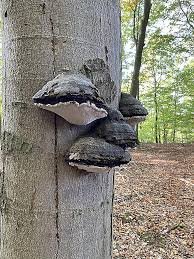
For many, the word “fungus” conjures images of mushrooms popping up after a rain shower. But the world of fungi is vastly more complex and fascinating than most realize. Fungi aren’t plants, and they aren’t animals – they belong to their own unique kingdom, playing a critical role in ecosystems worldwide. This article delves into the diverse world of fungi, exploring their importance, uses, and the surprising ways they impact our lives.
What Exactly *Is* a Fungus?
Fungi are eukaryotic organisms, meaning their cells have a nucleus. They include yeasts, molds, and, of course, mushrooms. Unlike plants, fungi don’t produce their own food through photosynthesis. Instead, they obtain nutrients by absorbing organic matter from their surroundings. This makes them incredibly important decomposers, breaking down dead plants and animals and returning vital nutrients to the soil. Think of them as nature’s recyclers!
The Ecological Importance of Fungi
The ecological role of fungi is immense. They form symbiotic relationships with plant roots, known as mycorrhizae. These relationships are mutually beneficial: the fungus helps the plant absorb water and nutrients, while the plant provides the fungus with carbohydrates. This partnership is crucial for the health and survival of many plant species. Without fungi, many forests and ecosystems simply wouldn’t exist as we know them.
- Decomposition: Breaking down organic matter, releasing nutrients back into the ecosystem.
- Mycorrhizal Networks: Facilitating nutrient exchange between plants.
- Food Source: Providing sustenance for various animals and insects.
- Soil Structure: Improving soil health and stability.
Fungi and Human Uses
Humans have utilized fungi for centuries. Beyond the culinary delights of mushrooms, fungi have a wide range of applications:
- Medicine: Penicillin, one of the most important antibiotics ever discovered, is derived from the Penicillium fungus. Other fungi are being researched for their potential anti-cancer and immune-boosting properties. Learn more about medicinal mushrooms at Memorial Sloan Kettering Cancer Center.
- Food Production: Yeasts are essential for baking bread, brewing beer, and making wine.
- Bioremediation: Some fungi can break down pollutants, offering a potential solution for environmental cleanup.
- Textiles: Mycelium, the vegetative part of a fungus, is being explored as a sustainable alternative to leather and other materials.
The Future of Fungal Research
Research into the world of fungi is rapidly expanding. Scientists are uncovering new species, exploring their potential applications, and gaining a deeper understanding of their ecological roles. The potential for fungal-based solutions to some of the world’s most pressing challenges – from climate change to healthcare – is enormous. The study of mycology (the study of fungi) is becoming increasingly important as we recognize the profound impact these organisms have on our planet.
From the forest floor to our medicine cabinets, fungi are all around us, quietly shaping the world we live in. The next time you see a mushroom, remember that it’s just the tip of the iceberg – a visible sign of a hidden kingdom brimming with life and potential.