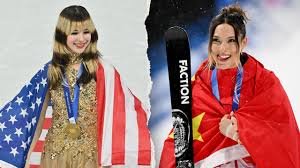
Alysa Liu vs. Eileen Gu: A Tale of Two Olympic Stars
The 2026 Winter Olympics in Milan Cortina have been captivated by the stories of two Chinese American athletes: figure skater Alysa Liu and freestyle skier Eileen Gu. While both have achieved Olympic success, their journeys and the narratives surrounding them are strikingly different, sparking a heated debate about patriotism, loyalty, and the complexities of identity.
From Tiananmen Square to Olympic Gold: Alysa Liu’s American Dream
Just moments after Alysa Liu’s historic gold medal win in figure skating, her family’s story – her parents’ escape from China following the Tiananmen Square protests – resonated deeply with audiences. Her father, Arthur Liu, was present during the 1989 protests in Beijing, a pivotal moment that led him to flee the country, fearing imprisonment for his activism. He bravely secured passage to Hong Kong and eventually to California, carrying the weight of his experiences and a commitment to freedom.
“His persistence, and he’s brave too,” Alysa told reporters, acknowledging her father’s courage. This narrative of escaping oppression and embracing American ideals quickly contrasted with the story of Eileen Gu.
Eileen Gu: A Choice to Compete for China
Eileen Gu, born and raised in California, made the controversial decision to compete for Team China at the age of 15. This choice ignited a firestorm of debate, with some viewing it as a betrayal of her American upbringing. While Gu has spoken of her desire to inspire young people in China and bridge cultural divides, her decision has drawn criticism, particularly in light of China’s human rights record.
The Contrast in Paths
While Alysa Liu’s story is rooted in a family’s escape from political persecution and a clear embrace of American values, Eileen Gu’s path is more nuanced. Gu’s mother, Yan Gu, pursued her education in the United States, earning a master’s degree from Stanford. Eileen’s father remains a more private figure. The contrast extends to their athletic development: Alysa began skating at age 5, nurtured by her father’s dedication, while Gu excelled in both academics and athletics, even returning to China for extra math practice during the summers.
China’s Athlete Recruitment Program
Gu’s decision to compete for China was facilitated by a strategic initiative known as the “Chinese naturalization project,” launched around 2018-2022. This program aimed to recruit foreign-born athletes with Chinese heritage to bolster China’s Olympic competitiveness. Both Gu and fellow American-born figure skater Zhu Yi were key targets, receiving substantial financial incentives to represent China. Reports indicate Gu earned an estimated $23 million in 2025 through sponsorships with Chinese companies, and she and Zhu Yi were paid a combined $6.6 million by the Beijing Municipal Sports Bureau in 2025.
Spying Allegations and Security Concerns
The Liu family faced additional challenges, becoming the target of alleged spying by the Chinese government due to Arthur Liu’s past activism and Alysa’s refusal to compete for China. The FBI intervened to provide security assurances, and an investigation revealed attempts to gather information about the Liu family. Alysa described the experience as “a little bit freaky and exciting,” acknowledging the surreal nature of the situation.
Patriotism and the Pursuit of Gold
As Alysa Liu celebrated her gold medal victory, Eileen Gu faced increased scrutiny and comparisons. Gu’s responses to questions about China’s human rights record have been criticized as evasive, and she has acknowledged feeling like a “punching bag” for American politics. The debate surrounding Gu’s choices continues, raising complex questions about national identity, political responsibility, and the pressures faced by athletes in the global arena.
Looking Ahead
With Liu’s triumph, the spotlight now turns to Gu as she competes in the women’s freestyle skiing halfpipe final. Her performance will unfold against a backdrop of viral comparisons to Liu and ongoing debate about her choices. The story of these two athletes serves as a powerful reminder of the personal sacrifices, political complexities, and unwavering determination that define the Olympic spirit.
Sources: