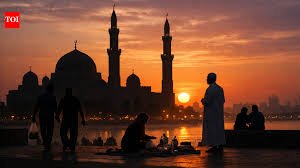
Suhoor Time: A Unique Ramadan Experience in the Far North
For Muslims living in the far reaches of the northern hemisphere, Ramadan presents a unique set of challenges and adaptations. In cities like Kiruna (Sweden), Tromsø (Norway), and parts of Canada and Alaska, the phenomenon of the midnight sun – where the sun remains visible for extended periods – disrupts conventional timekeeping and necessitates a thoughtful approach to fasting.
The Challenge of Perpetual Daylight
North of the Arctic Circle, weeks can pass without sunset. Strict adherence to visual sunrise and sunset would mean months of fasting without a break, an impossibility both religiously and practically. This situation demands flexibility and understanding within Islamic jurisprudence.
Community and Adaptation
Despite the challenges, Muslim communities in these regions thrive. Collective iftar meals at Islamic centers become vital social hubs, offering a space for immigrants from diverse backgrounds to share dates and laban while the surrounding cities continue their daily routines. This shared experience reinforces the spirit of Ramadan and provides a sense of belonging.
Islamic Rulings and Practical Solutions
Dr. Mohammed Al Shaar, Director of the Finnish Institute for the Arabic Language and Islamic Sciences, explains that Muslims in northern countries often adjust their work schedules to prioritize prayers, especially Taraweeh. Islamic centers provide imams to lead prayers and offer religious guidance. When determining fasting times, Muslims typically follow the timings of the nearest location with a regular day-night cycle, or even the timings of Makkah.
The greatest difficulty isn’t in areas of permanent daylight or darkness (which are sparsely populated), but in regions with extremely long days and very short nights. Historically, this issue sparked debate, but the prevailing practice now is to fast according to local sunrise and sunset times, with options to make up missed days if necessary. The gradual shortening of fasting hours as Ramadan progresses towards winter further supports this approach.
Adjusting Worship Practices
The shortness of the night also impacts other acts of worship. Taraweeh prayers may be shortened in duration to accommodate the limited hours of darkness. However, the core spirit of Ramadan – diligence, devotion, and productivity – remains strong.
Experiences from Canada and Sweden
Sheikh Jamal Hammoud, Senior Imam of Alberta Province in Canada, notes that Islamic jurisprudence in areas with permanent daylight or darkness relies on analogy with the nearest city experiencing a regular day-night cycle, ensuring the possibility of performing the five daily prayers.
Dr. Othman Tawalbeh, a researcher on Muslim affairs in the West, highlights that Ramadan in Sweden often falls across winter and spring. The cold temperatures and short days of winter can actually ease the physical demands of fasting, while the long nights provide ample time for rest and prayer. He emphasizes that Muslims in Sweden seamlessly integrate their religious observances with their daily lives.
The Enduring Spirit of Ramadan
Regardless of geographical challenges, Ramadan retains its unique spirit wherever Muslims reside. Families continue to invite each other for iftar, mosques host public feasts, and communities donate to support those who are fasting. The adaptability of Islamic law and the resilience of Muslim communities ensure that the blessings of Ramadan are experienced fully, even in the land of the midnight sun.
Learn more about Ramadan traditions: Islamic Relief USA – Ramadan