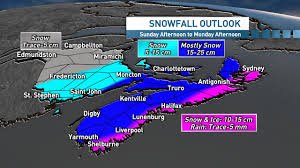
Halifax, Nova Scotia, is renowned for its stunning coastal beauty, vibrant culture, and… unpredictable weather! Situated on the Atlantic coast, Halifax experiences a diverse range of conditions, from warm, sunny summers to cold, snowy winters. Understanding the Halifax weather patterns is key to planning your visit or simply navigating daily life in this charming city. This guide provides a comprehensive overview of Halifax’s climate, seasonal expectations, and resources for staying informed.
Understanding Halifax’s Climate
Halifax boasts a humid continental climate, characterized by warm, humid summers and cold, snowy winters. The city benefits from the moderating influence of the Atlantic Ocean, which keeps temperatures relatively mild compared to inland areas. However, this also means Halifax is prone to rapid weather changes and can experience significant precipitation throughout the year. The Gulf Stream plays a crucial role in keeping the waters around Nova Scotia warmer than other locations at similar latitudes.
Seasonal Weather Breakdown
Spring (March – May)
Spring in Halifax is a transitional season, often marked by fluctuating temperatures and frequent showers. Average temperatures range from 0°C (32°F) to 15°C (59°F). Expect a mix of sunshine, rain, and even late-season snow. This is a beautiful time to witness the city come alive with blooming flowers and budding trees. Be prepared for windy conditions, especially near the coast.
Summer (June – August)
Summers in Halifax are warm and pleasant, with average temperatures between 18°C (64°F) and 24°C (75°F). Humidity can be high, but sea breezes often provide relief. July and August are typically the warmest months. While prolonged heatwaves are rare, sunny days are plentiful, making it ideal for outdoor activities like exploring the Halifax Waterfront Boardwalk or visiting Point Pleasant Park. The Weather Network provides detailed summer forecasts.
Autumn (September – November)
Autumn brings vibrant foliage and cooler temperatures to Halifax. Average temperatures range from 10°C (50°F) to 18°C (64°F). September often offers warm, sunny days, while October and November see increasing rainfall and cooler temperatures. This is a fantastic time for hiking and enjoying the stunning fall colours. Hurricane season officially ends November 30th, but storms can occur earlier in the fall.
Winter (December – February)
Winters in Halifax are cold and snowy, with average temperatures between -5°C (23°F) and 5°C (41°F). Snowfall is common, and the city can experience blizzards and ice storms. While temperatures rarely drop below -20°C (-4°F), wind chill can make it feel much colder. Despite the cold, Halifax offers plenty of winter activities, such as skating, skiing, and enjoying the festive atmosphere. Environment Canada provides winter storm warnings and updates.
Resources for Halifax Weather Updates
Staying informed about the Halifax weather is crucial. Here are some reliable resources:
- Environment Canada: https://weather.gc.ca/city/pages/ns-14_metric_e.html – Official weather forecasts and warnings.
- The Weather Network: https://www.theweathernetwork.com/ca/weather/nova-scotia/halifax – Detailed forecasts, radar maps, and weather news.
- Global News Halifax Weather: https://globalnews.ca/halifax/weather/ – Local weather updates and reports.
By understanding the Halifax weather and utilizing these resources, you can be prepared for anything Mother Nature throws your way and fully enjoy all that this beautiful city has to offer!