
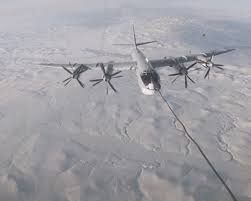
Russian Warplanes Near Alaska: A Rising Concern?
Recent activity involving Russian military aircraft near Alaskan airspace has sparked heightened attention and concern. Over the past week, North American Aerospace Defense Command (NORAD) intercepted several Russian warplanes, including fighters and bombers, prompting a closer look at the motivations behind these flights and the implications for regional security. This isn’t a new phenomenon, but the frequency and proximity of these encounters are raising eyebrows.
What Happened?
On several occasions this week, NORAD detected and intercepted Russian aircraft operating in the Alaskan Air Defense Identification Zone (ADIZ). The ADIZ extends approximately 200 nautical miles from the Alaskan coastline. While the Russian planes did not enter US sovereign airspace, their close approach triggered a response from US and Canadian fighter jets. These intercepts involved a variety of Russian aircraft, including Tu-95 Bear strategic bombers and Su-27 Flanker fighters. NORAD confirmed that the intercepts were conducted safely and professionally.
Why is Russia Flying Near Alaska?
Several factors could be contributing to this increased activity. One key reason is likely to be demonstrating Russia’s military capabilities and projecting power. These flights can serve as a message to the US and its allies, particularly in the context of the ongoing war in Ukraine. Another possibility is that Russia is testing US and Canadian air defenses, probing for weaknesses and response times. The Arctic region is becoming increasingly strategically important due to climate change and the opening of new shipping routes, adding another layer of complexity to the situation. You can find more information about the strategic importance of the Arctic from the Council on Foreign Relations.
What is the US Response?
The US response has been consistent: monitoring the situation closely and intercepting any aircraft that approaches too close to US airspace. NORAD plays a crucial role in this, providing a rapid response capability. The US military has also increased its own air patrols in the region as a precautionary measure. Officials have emphasized that these Russian flights are not unexpected and that the US is prepared to defend its airspace. The Pentagon has stated that the intercepts are being handled with professionalism and de-escalation in mind.
Is This Escalating Tensions?
While the intercepts themselves have been conducted safely, the increased frequency of these encounters does contribute to heightened tensions. The risk of miscalculation or accidental escalation is always present when military aircraft from different countries operate in close proximity. Experts suggest that clear communication channels and adherence to international protocols are essential to prevent any unintended incidents. The situation is being closely monitored by defense analysts and policymakers.
Looking Ahead
It is likely that Russian military activity near Alaska will continue, particularly as long as geopolitical tensions remain high. The US and Canada will need to maintain a vigilant posture and continue to invest in their air defense capabilities. Understanding the motivations behind these flights and maintaining open communication channels will be crucial to managing the risks and preventing escalation. For further updates, you can follow reporting from The Department of Defense.



