
Russian Fighter Jets Intercepted Near Alaska: A Detailed Report
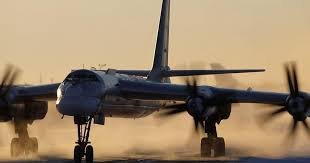
On February 19, 2026, U.S. fighter jets were scrambled to intercept a formation of Russian military aircraft flying near the coast of Alaska. This incident, reported by CBS News, involved multiple Russian bombers, fighter jets, and a surveillance plane operating within the Alaskan Air Defense Identification Zone (ADIZ).
Details of the Interception
The North American Aerospace Defense Command (NORAD) identified the Russian aircraft as two Tu-95 ‘Bear’ strategic bombers, two Su-35 ‘Flanker-E’ fighter jets, and an A-50 ‘Mainstay’ airborne early warning and control (AEW&C) aircraft. These aircraft were detected within the Alaskan ADIZ, a designated area of international airspace monitored for national security purposes.
In response, NORAD launched a defensive contingent consisting of two F-16 Fighting Falcons, two F-35 Lightning IIs, and four KC-135 Stratotankers. These U.S. aircraft escorted the Russian formation until it departed the Alaskan ADIZ. Crucially, NORAD confirmed that the Russian aircraft did not violate U.S. or Canadian sovereign airspace.
A Regular Occurrence?
NORAD characterized Russia’s activity in the Alaskan ADIZ as a “regular occurrence,” emphasizing that it was not considered a direct threat. However, the frequency of these interceptions raises questions about Russia’s strategic signaling and testing of North American air defenses. The Alaskan ADIZ extends beyond U.S. and Canadian airspace, serving as a buffer zone for early identification of potential threats. As NORAD states, it’s a “defined stretch of international airspace that requires the ready identification of all aircraft in the interest of national security.”
Recent History of Interceptions
- September 2025: U.S. fighter jets intercepted Russian Tu-95s and Su-35s in the Alaskan ADIZ.
- August 2025: NORAD intercepted a Russian IL-20 ‘Coot’ reconnaissance aircraft four times in a single week.
- September 2024: A NORAD video showed a Russian fighter jet flying dangerously close to a U.S. aircraft within the ADIZ.
- July 2024: A joint formation of Russian and Chinese bombers was intercepted after entering the Alaskan ADIZ – a first-time event. This included Chinese H-6 bombers encroaching off the coast of Alaska. Council on Foreign Relations provides further context on US-Russia relations.
Implications and Future Outlook
While NORAD maintains these interceptions are not considered immediately threatening, they underscore the ongoing strategic competition between the U.S. and Russia. The increasing frequency of these events, and the recent inclusion of Chinese aircraft, suggests a more complex and potentially volatile security landscape in the North American airspace. Continued vigilance and robust air defense capabilities remain crucial for safeguarding North American sovereignty. Further analysis can be found at NORAD’s official website.



