Rodrigo Duterte and the International Criminal Court: A Historic Trial for Humanity
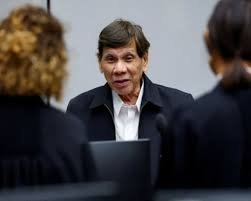
A Fallen Strongman in the Dock: Rodrigo Duterte’s Day of Reckoning
In a landmark moment for international justice, 81-year-old former Philippine President Rodrigo Duterte is set to become the first Asian leader to stand trial before the International Criminal Court (ICC). The proceedings, held in The Hague, Netherlands, mark a pivotal chapter in the quest for accountability regarding the brutal “war on drugs” that defined his presidency.
Once a feared figure known as “The Punisher,” Duterte now finds himself in a detention cell, awaiting a trial that promises to be as lengthy as it is contentious. With four-hour daily sittings and approximately 100 witnesses expected to testify, the world is watching to see if the reach of international law can truly hold the powerful accountable.
The Legacy of the “War on Drugs”
Elected in 2016 on a platform of uncompromising law and order, Duterte transformed the Philippines into a battlefield. His campaign against narcotics was characterized by extreme violence and a rhetoric of slaughter. The impact was devastating:
- n
- Death Toll: While official police reports cite over 6,000 deaths, independent human rights organizations suggest the actual number is significantly higher.
- Targeted Victims: The majority of the killings occurred in poor neighbourhoods and slums, targeting the most vulnerable populations.
- State-Sanctioned Vigilantism: Duterte openly encouraged citizens to hunt down users, often resulting in public executions accompanied by cardboard signs accusing victims of drug dealing.
Legal Battles: Hyperbole vs. Homicide
The prosecution argues that Duterte’s public declarations were not merely “tough talk” but direct orders that were systematically carried out. However, the defence, led by lawyer Nicholas Kaufman, contends that the former president’s vulgar language and brash style were simply “hyperbole and rhetoric,” arguing that he should not be judged based on his public persona.
Pre-trial judges have already found substantial grounds to believe that Duterte was responsible for crimes against humanity, specifically murder and attempted murder, as part of a widespread attack against a civilian population. The court will specifically examine 49 incidents resulting in 76 deaths.
A Global Context of Justice
The trial occurs during a volatile period for the International Criminal Court. While the court has historically focused on African leaders, it has recently expanded its scope to include warrants for high-profile Israeli politicians, drawing significant pressure and sanctions from the United States government.
Simultaneously, the International Court of Justice (ICJ) recently issued a landmark ruling regarding genocide in Myanmar, reinforcing the idea that international legal frameworks are becoming more resilient and assertive in the face of state-sponsored atrocities.
The Human Cost and the Search for Truth
For the families of the victims, this trial is about more than just a verdict; it is about visibility. Raul Pangalangan, former ICC judge and chair of the Philippine Truth Commission, emphasizes the symbolic power of the trial:
“This trial tells the world that no leader, however powerful, stands above the law.”
However, Pangalangan warns that the proceedings in The Hague only capture a fraction of the tragedy. Thousands of families in the Philippines are still waiting for local accountability and answers about how their loved ones died.
What Happens Next?
The trial begins with an assessment of Duterte’s fitness to stand trial—following his claims of being “old, tired, and frail”—and the entering of his plea. While a verdict may take over a year and is subject to appeal, the momentum for justice continues to build. This is further highlighted by the ongoing hunt for Ronald dela Rosa, one of Duterte’s key enforcers, who remains in hiding after a dramatic standoff with authorities earlier this year.
As the proceedings unfold, the International Criminal Court stands as a beacon of hope for those who believe that sovereignty should never be a shield for cruelty.
📰 You May Also Like