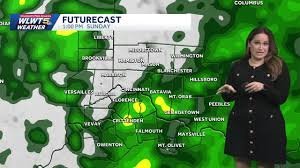
Flood Watch: What It Means and How to Prepare Your Home and Family
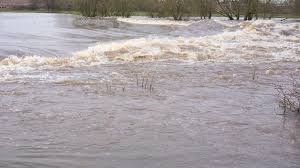
Flood Watch: What It Means and How to Prepare Your Home and Family
When the weather takes a turn for the worse, you might see a flood watch issued for your area. While it might sound alarming, understanding exactly what this alert means can be the difference between panic and preparation. In this guide, we will break down the nuances of flood alerts and provide actionable steps to keep you and your loved ones safe.
What Exactly is a Flood Watch?
A flood watch is a notification issued by weather authorities—such as the National Weather Service (NWS)—indicating that conditions are favorable for flooding to occur. It does not mean that flooding is currently happening, but rather that the “ingredients” for a flood are present in the atmosphere or terrain.
Think of a flood watch as a “heads-up.” It is a signal to stay vigilant, monitor local news, and begin preparing your household for potential emergencies.
Flood Watch vs. Flood Warning: Know the Difference
One of the most common points of confusion is the difference between a “watch” and a “warning.” Understanding this distinction is critical for your safety:
- Flood Watch: Conditions are favorable for flooding. It is possible that flooding will occur. Action: Be prepared and stay informed.
- Flood Warning: Flooding is imminent or already occurring. There is a direct threat to life and property. Action: Take immediate action to move to higher ground.
Essential Steps to Take During a Flood Watch
When a flood watch is in effect, you have the luxury of time to prepare. Don’t wait for the warning to act. Follow these strategic steps:
1. Stay Informed
Keep a battery-powered radio nearby or download a reliable weather app. Monitor local news outlets for updates on rainfall totals and river levels.
2. Prepare an Emergency Kit
Ensure you have a “go-bag” ready. According to Ready.gov, your kit should include:
- Bottled water (one gallon per person per day).
- Non-perishable food and a manual can opener.
- A first-aid kit and essential medications.
- Flashlights and extra batteries.
- Important documents stored in a waterproof container.
3. Secure Your Home
If you live in a flood-prone area, take preventative measures: move expensive electronics and valuables to the upper floors of your home and clear your gutters and storm drains to prevent localized pooling.
Critical Safety Tips During Active Flooding
If a watch upgrades to a warning, or if you notice water rising, remember these life-saving rules:
- Turn Around, Don’t Drown: Never attempt to walk or drive through floodwaters. Just six inches of moving water can knock you off your feet, and two feet of water can sweep away most vehicles.
- Avoid Basements: If water begins to enter your home, move to the highest level possible. Avoid basements or low-lying rooms where you could become trapped.
- Disconnect Utilities: If instructed by authorities, turn off gas and electricity at the main switch to prevent fires or electrocution.
Conclusion
A flood watch is your window of opportunity to ensure the safety of your family and the security of your property. By staying informed and preparing early, you can significantly reduce the risks associated with extreme weather events.
Stay safe, stay prepared, and always prioritize human life over material possessions.
📰 You May Also Like