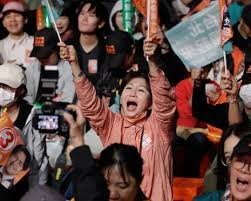
Spain Election: Everything You Need to Know About the Political Shift

The Spain Election: Understanding the Political Landscape and Future Outlook
The political climate in Spain has become one of the most watched scenes in Europe. With the Spain election cycles often resulting in complex coalitions and dramatic shifts in power, understanding the underlying dynamics is crucial for anyone interested in global governance and European stability.
The Battle for Power: Left vs. Right
At the heart of every Spain election is the traditional tug-of-war between the two dominant political forces: the PSOE (Spanish Socialist Workers’ Party) and the PP (People’s Party). While the PSOE generally pushes for social progressivism and stronger public welfare, the PP champions conservative values and economic liberalization.
However, the era of the two-party system has evolved. The rise of third parties and regionalist movements has transformed the Spanish parliament into a fragmented mosaic, making the formation of a government a challenging diplomatic exercise.
Key Factors Influencing the Voters
Several critical issues consistently drive voter behavior during the Spain election period:
- n
- Economic Recovery: Inflation and the cost of living remain top priorities for the average citizen.
- Regional Autonomy: The ongoing tension regarding Catalonia and the Basque Country continues to influence national voting patterns.
- Housing Crisis: Access to affordable housing has become a rallying cry for younger generations.
- Climate Change: The push for green energy transitions is increasingly impacting the platforms of all major parties.
The Role of Coalitions and the “Kingmaker” Effect
In recent years, the Spain election results have rarely handed an absolute majority to a single party. This has led to the necessity of coalition governments. Small parties often find themselves in the role of “kingmakers,” where their few seats determine who ultimately becomes the Prime Minister.
This fragmentation often leads to intense negotiations and, occasionally, the calling of repeat elections when a stable government cannot be formed, reflecting a period of high political volatility.
Global Impact: Why the World Watches Spain
Spain is not just a regional player; it is a pillar of the European Union. The outcome of a Spain election can shift the EU’s approach to migration, fiscal policy, and diplomatic relations with North Africa.
For international investors and political analysts, a stable Spanish government is a sign of economic health within the Eurozone. Conversely, political deadlock in Madrid can lead to market uncertainty across the continent.
Final Thoughts
The Spain election is more than just a local vote; it is a reflection of the broader ideological struggle currently happening across Western democracies. As the electorate continues to seek new alternatives to traditional parties, the future of Spanish governance remains dynamic and unpredictable.
To stay updated with real-time data and official results, we recommend following high-authority news sources like Reuters for unbiased political reporting.
📰 You May Also Like