The Controversy of Dar e Nijaat: When Pakistani Art Collides with Indian Politics
Art vs. Geopolitics: The Viral Sensation of Dar e Nijaat
For many television enthusiasts in Bengaluru, the perfect weekend was simple: an elaborate dinner, dressing up in elegant attire, and diving deeper into the emotional world of a beloved fictional couple. However, the allure of Dar e Nijaat (Door to Salvation), a Pakistani drama that has taken Indian social media by storm, recently collided with the harsh realities of international relations.
What started as private screenings to celebrate a captivating story ended in cancellation. Following an online backlash and increased police scrutiny, events designed to bring fans together were called off, highlighting the fragile line between cultural appreciation and political tension.
What Makes Dar e Nijaat So Captivating?
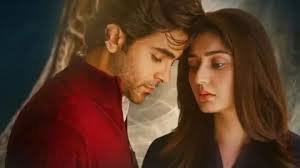
Written by the acclaimed Urdu novelist Umera Ahmed, Dar e Nijaat is more than just a soap opera; it is a study of faith, redemption, and domesticity. The plot revolves around the marriage of Zaryab (played by Durefishan Saleem), a woman healing from romantic betrayal, and Abu Bakar (played by Sheheryar Munawar), a man of deep faith.
The show has gained massive traction online, specifically because of the character of Abu Bakar. In the modern lexicon of dating and relationships, he has been crowned a “green flag” due to his tenderness and respect toward his wife. This emotional resonance is precisely why fans were willing to organize private events to watch the series, despite the official broadcaster, ARY Digital, being blocked in India.
The Brewing Storm: Netflix and the Call for Bans
The controversy surrounding Dar e Nijaat is not an isolated incident. It has reignited a broader debate about the presence of Pakistani entertainment in India. Currently, the All Indian Cine Workers Association (AICWA) has petitioned Prime Minister Narendra Modi to block the release of Jo Bachay Hain Sang Samait Lo (Gather whatever is left), Pakistan’s first Netflix original series.
- n
- Star Power: The upcoming series features icons like Fawad Khan and Mahira Khan, who maintain huge fanbases in India.
- The Conflict: The AICWA argues that releasing such content disregards the sentiments of families affected by terrorism.
- The Demand: There are calls for permanent legislation to prohibit Pakistani entertainment content entirely.
A History of Cultural Tug-of-War
The relationship between India and Pakistan has always been a complex dance of shared heritage and political strife. Since the partition in 1947, cultural exchanges have often been the first casualties when diplomatic tensions flare.
The early 2010s saw a “golden era” of collaboration. The launch of the Zindagi channel in 2014 brought Pakistani storytelling into millions of Indian homes, and artists like Atif Aslam and Rahat Fateh Ali Khan became staples of Bollywood music. However, security crises in Uri (2016) and Pulwama (2019) narrowed the window for these artistic bridges.
Can Love and Art Transcend Borders?
Despite official bans and political rhetoric, the digital age has changed the game. Through YouTube and streaming platforms, stories like Dar e Nijaat continue to find their way across borders, proving that audiences often crave the human connection found in art, regardless of national identity.
As the world waits to see if Netflix will make its Pakistani original available in India, one question remains: can the “green flags” of storytelling eventually outweigh the red flags of politics?
📰 You May Also Like