Jim Caviezel and the Rise of Faith-Based Action: A Review of Ghost Soldier
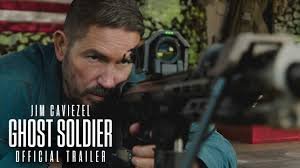
Jim Caviezel and the Evolution of Faith-Based Cinema: Is ‘Ghost Soldier’ a Hit or a Miss?
For years, the faith-based movie market was synonymous with inspirational melodramas—stories designed to pull at the heartstrings and offer a gentle moral lesson. However, a new trend is emerging. We are witnessing the rise of the faith-based action genre. From projects like the “Pendragon Cycle” to Angel Studios’ latest efforts, the screen is now filled with heroes fighting bad guys with swords and tactical gear.
At the center of this movement is Jim Caviezel, an actor who has become a beacon for conservative Christian audiences. His latest project, Ghost Soldier, attempts to merge patriotic values, military precision, and unwavering faith into one high-stakes thriller.
The Plot: A One-Man War for Justice
In Ghost Soldier, Jim Caviezel stars as Henry “Fitz” Fitzgerald, a man of mystery living off the grid. Fitz is not your average hermit; he is a former Special Forces soldier and an advanced weapons developer. When a greedy foreign corporation attempts to seize his community’s land, Fitz is forced out of retirement.
Armed with cutting-edge technology and a lethal set of skills, Fitz becomes a nightmare for the corporate villains. He operates under a strict code of justice, making him a protagonist that resonates deeply with those who value strength tempered by faith.
Tapping Into the ‘Red-State’ Identity
What makes this film particularly fascinating isn’t just the action, but who it is for. There is a clear shift in the demographic of faith-based cinema. With more Gen Z men attending church and a growing coalition of conservative Christians and patriots, there is a massive demand for heroes who aren’t afraid to pray and carry a gun.
- Explicit Faith: Fitz doesn’t hide his beliefs; he prays to the Archangel Michael and integrates God into his battle cries.
- Patriotic Imagery: The film celebrates the American flag and the sacrifices of fallen soldiers.
- Common Enemies: The villains—corrupt politicians and foreign billionaires—are archetypes that appeal to a broad, bipartisan frustration with corporate tyranny.
Where the Film Falls Short: Ideology vs. Quality
While the intention is noble, Ghost Soldier often feels more like a checklist of conservative values than a fully realized piece of cinema. Much like Caviezel’s previous hit, Sound of Freedom, the ideological message sometimes takes precedence over the storytelling.
The primary issues include:
- Two-Dimensional Characters: Most characters remain archetypes rather than feeling like real people.
- Lack of Tension: Because Fitz has a gadget for every single problem, the stakes feel low. There is no “Die Hard” struggle here—just an unstoppable force moving through cardboard obstacles.
- Predictable Action: The fight scenes follow a “paint-by-numbers” approach that fails to innovate the genre.
A Glimmer of Potential
Despite the flaws, there is one standout element: the chemistry between Fitz and his military contact, Scott Peary (played by Shea Whigham). Their interaction provides a rare moment of complexity, showcasing a relationship built on mutual respect, paranoia, and professional tension. If the movie had focused more on this dynamic, it could have evolved into a character-driven franchise similar to Lethal Weapon.
Final Verdict
Ghost Soldier is a sincere effort to provide representation for a community that often feels alienated by mainstream Hollywood. However, for the faith-based action genre to truly thrive, it must move beyond clichés and embrace higher production standards and deeper writing.
Is it worth watching? If you are a fan of Jim Caviezel or looking for a movie that aligns with patriotic and Christian values, it’s a welcome addition. But if you’re looking for a groundbreaking action masterpiece, you might find it lacking.
📰 You May Also Like