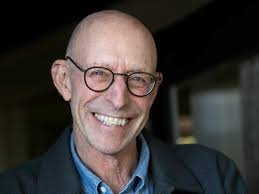
Michael Pollan: A Journey into the Mysteries of Consciousness
Michael Pollan, acclaimed author of A World Appears: A Journey into Consciousness, embarks on a profound exploration of what it means to be aware. In a world increasingly captivated by Artificial Intelligence, Pollan grapples with the fundamental question: what is consciousness? As he notes, “There’s nothing any of us know with more certainty than the fact that we are conscious. It’s immediately available to us. It’s the voice in our head.” Yet, the very mechanism by which three pounds of brain matter generate subjective experience remains a baffling mystery.
The AI Debate: Can Machines Truly Think?
Living in close proximity to Silicon Valley, Pollan has witnessed the growing belief that AI could achieve consciousness. This perspective rests on the idea that the brain is essentially a computer, and consciousness is merely software. “And if you can run it on the brain…you should be able to run it on other kinds of machines,” proponents argue. However, Pollan strongly disagrees. While acknowledging computers’ ability to simulate thought, he believes “real thought” is inextricably linked to feeling.
He emphasizes the crucial role of vulnerability, embodiment, and even mortality in shaping our conscious experience. “If you think about it, your feelings are very tied to your vulnerability, to your having a body that can be hurt, to the ability to suffer and perhaps your mortality,” Pollan explains. “So I think that any feelings that a chatbot reports will be weightless, meaningless, because they don’t have bodies. They can’t suffer.”
Priorities and Moral Considerations
Pollan raises a critical point about our societal priorities: “I find this whole tender care for the possible consciousness of chatbots really odd, because we have not extended moral consideration to billions of people, not to mention the animals that we eat that we know are conscious. So we’re gonna start worrying about the computers? That seems like our priorities are screwed up.” He questions the rush to grant potential rights to AI while overlooking the suffering of sentient beings already in existence.
Beyond Humans: The Sentience of Plants
The exploration of consciousness extends beyond the animal kingdom, even reaching into the plant world. Pollan highlights astonishing discoveries about plant capabilities: plants can “see” (with a vine changing leaf form to mimic its host), “hear” (responding to the sound of caterpillars), and even “remember” (retaining learned information for up to 28 days). Remarkably, plants can also be anesthetized, suggesting a level of awareness.
“So the fact that they have two states of being is very suggestive of something like consciousness,” Pollan observes.
The Threat to Inner Space
Pollan expresses concern that modern technology is eroding the space for spontaneous thought. “I worry, too, that with media, with our technologies, we are shrinking the space in which spontaneous thought can occur,” he states. He argues that corporations are actively seeking to monetize our attention and even our deepest attachments, effectively putting consciousness “under siege.”
The Paradox of the Self
Pollan also delves into the complex relationship we have with our own sense of self. We simultaneously strive for self-assurance and seek ways to transcend the ego through experiences like art, meditation, and psychedelics. “The ego is a defensive structure. It builds walls. And when those walls come down or even just [are] lowered, we can connect to other people, to art, to nature, to the divine in some cases.”
A Journey of Discovery
Writing A World Appears was a challenging five-year journey for Pollan, filled with moments of frustration and self-doubt. He initially approached the topic with a problem-solution mindset, seeking a definitive answer to the mystery of consciousness. However, with the guidance of his wife and Zen Buddhist teacher Joan Halifax, he shifted his perspective to embrace the wonder and beauty of the phenomenon itself. “That’s kind of where I came out—and it’s certainly not where I expected to come out.”
Learn more about Michael Pollan’s work: Michael Pollan’s Official Website