Nidal Hasan Execution: Why Fort Hood Survivors Are Being Denied Closure
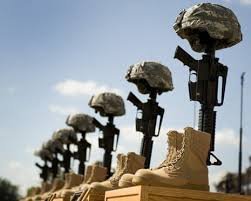
Justice or Betrayal? The Controversy Surrounding Nidal Hasan’s Military Execution
The shadow of the 2009 Fort Hood shooting continues to loom large over the survivors and the families of the fallen. As the US military prepares for the execution of Nidal Hasan, a former Army major who murdered 13 people and wounded over 30 others, a new battle for closure has emerged. This time, the fight isn’t in a courtroom, but over the right to witness the final moments of a man whose actions shattered countless lives.
The Army’s Controversial Decision
In a move that has left many reeling, military officials have informed three survivors of the attack that they will not be permitted to witness Hasan’s execution by firing squad. Despite their traumatic experiences, the Army has ruled that these individuals were not “direct victims” of the specific charges for which Hasan was convicted.
According to military regulations governing executions, only those who suffered direct harm—specifically those struck by gunfire—are granted access to the event. This rigid interpretation has sparked a heated debate over the definition of a “victim.” The denied survivors argue that the Uniform Code of Military Justice should apply a broader definition, including those who suffered “direct physical, emotional, or pecuniary harm.”
Voices of Betrayal: The Human Cost
For those who lived through the horror of that day in Texas, the Army’s decision feels like a second assault. Retired Colonel Kathy Platoni, who witnessed the aftermath of the carnage, described the denial as a profound betrayal.
“I would desperately like to attend. To look Hasan in the eye and say: ‘You didn’t get me,’” says Platoni, recalling the haunting images of her colleagues carrying the wounded into a building devoid of medical supplies.
Similarly, Julia Wilson, who was nine months pregnant during the attack, expressed deep anguish. For Wilson, the military’s handling of the case represents a pattern of institutional betrayal that hinders the healing process. She emphasizes that for many, the battlefield never truly ended; it simply shifted from physical violence to systemic neglect.
A Rare and Polarizing End
The execution of Nidal Hasan is a historic event in itself. It marks the first military execution since 1961 and the first by firing squad since the Second World War. The gravity of the event has already caused significant tension:
- n
- Livestream Controversy: An initial plan to livestream the execution was scrapped following bipartisan backlash.
- Legal Maneuvers: Hasan has recently sought a stay of execution, attempting to delay the inevitable.
- Security Concerns: The Army cites space restrictions and security protocols as additional reasons for limiting the witness list.
The Search for Meaningful Closure
While the Army maintains that it has made extensive efforts to support victims through memorials and notifications, the survivors argue that true closure requires acknowledgment. Major C Alan Hopewell, who identified Hasan after he was shot during the rampage, pointed out the irony of the military’s logic: a bullet missed him and hit his car, rendering him “not a victim” in the eyes of the execution protocol.
As the date of the execution approaches, the case of Nidal Hasan serves as a stark reminder that the wounds of war and terrorism are not always visible. For the survivors of Fort Hood, the fight for recognition is just as critical as the pursuit of justice.
📰 You May Also Like