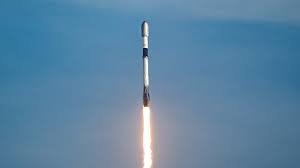
SpaceX Starlink 10-36 Mission: A Successful Launch and Booster Landing
SpaceX successfully launched its Starlink 10-36 mission on February 19th at 8:41 p.m. from Launch Complex 40 at Cape Canaveral Space Force Station. This mission deployed a new batch of 29 Starlink internet satellites into orbit, furthering SpaceX’s commitment to global connectivity.
Second Southern Landing for Falcon 9 Booster
A highlight of this mission was the successful landing of the Falcon 9 booster on SpaceX’s drone ship, Just Read the Instructions, located in the Atlantic Ocean off the coast of The Bahamas. This marks only the second time SpaceX has achieved a booster landing this far south, demonstrating the company’s increasing operational flexibility and reusability capabilities. The booster completed its 26th mission, a testament to the durability and reliability of SpaceX’s Falcon 9 technology.
Launch Details and Weather Conditions
Originally scheduled for Wednesday, the launch was slightly delayed but ultimately benefited from exceptionally favorable weather conditions. The 45th Weather Squadron predicted a greater than 95% chance of favorable conditions for the Thursday attempt. The rocket followed a southeast trajectory along Florida’s coast, heading towards the Bahamas. While residents of Brevard County did not experience a sonic boom, those in the Bahamas were potentially able to hear one, depending on atmospheric conditions.
Real-Time Updates and Countdown
Throughout the evening, SpaceX provided real-time updates via its X (formerly Twitter) webcast, keeping space enthusiasts informed of every stage of the launch process. Fueling commenced at 8:08 p.m., and the Brevard County Emergency Operations Center activated in preparation for the launch.
Beyond Starlink: Artemis II Wet Dress Rehearsal
While SpaceX was focused on the Starlink launch, NASA teams were simultaneously conducting a crucial wet dress rehearsal for the Artemis II SLS rocket. This involved fully fueling the rocket to T-33 seconds, a critical step in preparing for the upcoming crewed mission to the Moon. You can find the latest updates on the Artemis II mission here.
Booster History and Future Plans
This particular Falcon 9 booster has a rich history, having previously supported 18 other Starlink missions, as well as launches for NASA’s Crew-5, GPS III Space Vehicle 06, Inmarsat I6-F2, CRS-28, Intelsat G-37, NG-20, and TD7. Following its landing, the Just Read the Instructions drone ship will transport the booster back to Port Canaveral for inspection and potential reuse on future missions.
SpaceX continues to push the boundaries of space exploration and satellite internet technology, and this successful Starlink launch is another significant step forward.