F1 Schedule: Why the Las Vegas Grand Prix is Now the ‘Super Bowl’ of Racing
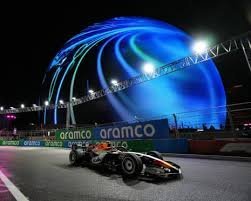
The Glitz, the Glamour, and the Grid: Las Vegas Redefines the F1 Schedule
When discussing the modern f1 schedule, one city now stands tall alongside the prestige of Monte Carlo: Las Vegas. While purists may long for the traditional charm of historic circuits, the Las Vegas Grand Prix has rapidly evolved into a commercial and entertainment juggernaut that is impossible to ignore.
Mercedes driver George Russell didn’t mince words when describing the event, calling it the biggest race on the Formula 1 calendar aside from Monaco. To Russell, the atmosphere isn’t just about racing; it’s a cultural phenomenon. “This just feels like the Super Bowl,” he remarked, highlighting the sheer scale of the spectacle.
A Multi-Billion Dollar Success Story
The integration of Las Vegas into the global f1 schedule wasn’t without its hurdles. From early local opposition to the infamous “loose water valve cover” during the inaugural event, the road to success was bumpy. However, the numbers tell a story of absolute triumph.
The economic impact has been staggering. Over the last three years, the event has generated approximately $3.2 billion in economic impact for Southern Nevada. Key financial highlights include:
- n
- Tax Revenue: Roughly $88 million generated over the last two years.
- Visitor Spending: The average visitor spends approximately $2,400 (excluding ticket costs).
- Long-term Commitment: A deal securing the race’s place on the schedule until 2037.
Beyond the Track: Commercial Powerhouses and Innovation
Las Vegas has become the hub where the “business of F1” truly happens. The event serves as a launchpad for lucrative partnerships that expand the sport’s reach. Recent collaborations include:
- n
- Whoop: Introducing live heart-rate broadcasts for fans and media.
- Nike: Strengthening F1’s presence in global athletic apparel.
- Lego: Adding a touch of playfulness with driver minifigures and celebrity Lego races.
Looking Ahead: The 2030 Engine Revolution
While the fans enjoy the neon lights, the FIA and F1 management are focused on the technical future. A significant announcement was made right here in Vegas regarding the 2030 engine regulations. To ensure “attack-orientated racing,” F1 will move toward 2.1-litre V8 engines with a smaller electric element.
This move aims to make engines lighter and more cost-effective, addressing driver concerns while maintaining the high-speed thrill that fans expect when they check the official F1 calendar.
On-Track Action: Rain, Grit, and Speed
The weekend didn’t start perfectly; cold drizzle and gunmetal-grey skies challenged the drivers during the first practice session. However, as the track dried in the second session, the competitive spirit ignited. George Russell topped the timesheets for Mercedes, followed by Pierre Gasly (Alpine) and Charles Leclerc (Ferrari), proving that despite the entertainment, the raw speed of Formula 1 remains the main attraction.
Whether you are a lifelong enthusiast or a newcomer attracted by the neon lights, the Las Vegas GP proves that F1 is no longer just a sport—it’s a global entertainment powerhouse.
📰 You May Also Like