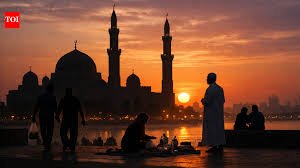
Ramadan, the ninth month of the Islamic calendar, is a time of spiritual reflection, self-discipline, and community. Central to this holy month is the practice of fasting from dawn till dusk. But the anticipation builds towards a cherished moment: Iftar time – the evening meal that breaks the fast. This isn’t just about food; it’s a deeply rooted tradition with profound religious and cultural significance.
What is Iftar?
The word ‘Iftar’ comes from the Arabic word ‘iftar,’ meaning ‘breaking of the fast.’ It’s the meal taken to end the daily fast during Ramadan. Traditionally, Iftar begins with consuming dates and water, following the practice of the Prophet Muhammad (peace be upon him). This simple act symbolizes gratitude and prepares the body for a more substantial meal.
The Significance of Iftar Time
Iftar isn’t merely a physical replenishment; it’s a spiritual experience. It’s a time for families and communities to come together, strengthening bonds and sharing blessings. The act of breaking the fast with others fosters empathy for those less fortunate and reinforces the importance of charity. Many mosques and community centers organize Iftar gatherings, providing meals for those in need. This communal aspect is a cornerstone of Ramadan’s spirit.
Traditional Iftar Foods
While the specific dishes vary greatly depending on cultural and regional traditions, some common themes emerge. Dates and water are almost universally consumed. Following this, the meal often includes:
- Soups: Lentil soup, tomato soup, or other nourishing broths are popular choices.
- Salads: Fresh salads provide essential vitamins and hydration.
- Main Courses: These can range from rice dishes with meat or vegetables to stews and grilled meats.
- Desserts: Sweet treats like baklava, kunafa, or fruit are often enjoyed.
In many cultures, special Ramadan drinks like Sharbat (a fruit-based syrup drink) or Qamar al-Din (apricot juice) are also served. The emphasis is on nutritious, wholesome foods that provide energy after a day of fasting. You can find many delicious Ramadan recipes on sites like Allrecipes.
Finding Iftar Time in Your Location
Knowing the precise iftar time is crucial for observing the fast correctly. Several websites and apps provide accurate prayer times and Iftar timings based on your location. Here are a few reliable resources:
- IslamicFinder
- PrayTimes
- Local mosque websites or community calendars
These resources utilize astronomical calculations to determine the sunset time, which marks the beginning of Iftar.
Iftar: More Than Just a Meal
Ultimately, iftar time is a beautiful reminder of the blessings in our lives and the importance of community, compassion, and spiritual growth. It’s a time to pause, reflect, and express gratitude for the opportunity to observe Ramadan. It’s a time to connect with loved ones and share the joy of breaking the fast together. May your Iftar be filled with peace, blessings, and delicious food!