AI Generated Most Wanted Images: Canada’s High-Tech Hunt for Fugitives
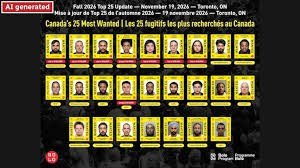
The New Face of Justice: AI-Generated Avatars in the Hunt for Canada’s Most Wanted
Imagine walking through a Toronto news conference and seeing the faces of Canada’s most dangerous fugitives—not as static photos, but as lifelike, moving figures. They blink, they shrug, they cross their arms, and they sigh. It feels less like a police briefing and more like a scene from Harry Potter, reminiscent of the moving posters warning the wizarding world about Sirius Black.
This is the new reality of the Bolo Program (Be On The Lookout). In a groundbreaking and controversial move, the program has introduced ai generated most wanted images to bring Canada’s top 25 fugitives to life, creating hyper-realistic digital avatars designed to trigger public recognition in real-world settings.
What is the Bolo Program?
Since 2018, the Bolo Program has partnered with major Canadian police forces to amplify the search for high-profile suspects. By combining public awareness campaigns, financial rewards, and cutting-edge technology, the initiative aims to turn the general public into a massive network of eyes and ears for law enforcement.
While the program has previously used gimmicks like spoof masks, life-size cutouts, and even advent calendars, the shift toward artificial intelligence represents a significant leap in their strategy to engage the community.
The Goal: Psychological Impact and Recognition
Max Langlois, the executive director of the Bolo Program, explains that the goal is to simulate a real-life encounter. By creating moving images, the program hopes that citizens will better recognize these individuals at a supermarket, an airport, or on the street.
“If it feels uncomfortable, that’s the point,” says Langlois.
The program’s track record is impressive. In 2025 alone, 13 out of 25 of the most wanted suspects were captured—the highest success rate since the program’s inception. In Toronto, 19 of 28 featured cases have resulted in arrests, proving that high-visibility campaigns work.
The Controversy: Accuracy, Bias, and Privacy Risks
However, not everyone is convinced that AI is the right tool for the job. Security experts and civil liberties advocates are raising red flags regarding the use of ai generated most wanted images.
Key Concerns Include:
- Digital Accuracy: If the AI is trained on low-quality source photos, the resulting “hyper-realistic” avatar may be inaccurate, leading to false identifications.
- Systemic Bias: The Canadian Civil Liberties Association (CCLA) warns that composite imaging has historically contributed to wrongful arrests, disproportionately affecting Indigenous and Black communities.
- Third-Party Risks: Because the Bolo Program is a third-party entity, there are concerns about whether it adheres to the same strict privacy safeguards as official police departments.
The debate over privacy was further ignited by recent data breaches, such as the Crime Stoppers hack which exposed over 1.5 million tips, highlighting the vulnerability of sensitive data held by non-governmental partners.
High Stakes: The Hunt for Goldy Brar
At the top of this year’s list is Satinderjeet Singh, also known as Goldy Brar. Wanted by Winnipeg police for a first-degree murder in 2023 and linked to the Lawrence Bishnoi gang, Brar is the subject of a massive $250,000 reward.
The use of AI to track high-ranking gang members like Brar shows the scale of ambition behind the program, but it also underscores the need for transparency. As University of Ottawa experts suggest, oversight is critical to ensure that the pursuit of justice does not override the fundamental rights and freedoms of Canadians.
Conclusion: Innovation or Risk?
The integration of ai generated most wanted images into Canadian policing is a bold experiment. While the arrest numbers suggest success, the ethical implications remain unresolved. As technology evolves, the balance between innovative law enforcement and the protection of civil liberties will be the defining challenge of the digital age.
Do you think AI-generated images help catch criminals, or do they risk innocent lives? Let us know in the comments.
📰 You May Also Like