Mastering the Art of Resin: A Complete Guide for Beginners and Pros
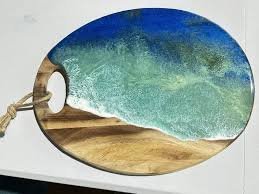
Dive Into the World of Resin: Transforming Imagination into Reality
Have you ever wondered how those stunning, glass-like ocean tables or intricately preserved floral jewelry pieces are made? The secret is resin. Whether you are a seasoned crafter or a complete novice looking for a new creative outlet, working with resin offers an endless array of possibilities to bring your artistic visions to life.
In this guide, we will explore everything you need to know to start your journey with resin, from choosing the right materials to ensuring a professional, bubble-free finish.
What Exactly is Resin?
At its core, resin is a viscous material that reacts chemically to harden into a durable, transparent plastic. For most hobbyists and artists, epoxy resin is the gold standard. It typically comes in two parts: a resin and a hardener. When mixed in the correct ratio, a chemical reaction occurs, transforming the liquid into a rock-solid, glossy surface.
Choosing the Right Type of Resin for Your Project
Not all resins are created equal. Depending on your goal, you’ll need a specific type:
- Coating Resin: Ideal for a thin, protective top layer on paintings or tabletops. It is thicker and levels out beautifully.
- Casting Resin: Best for deep pours, such as river tables or thick sculptures. It cures more slowly to prevent overheating (exothermic reaction).
- UV Resin: Perfect for small jewelry pieces. It hardens almost instantly under a UV lamp, eliminating the need for long curing times.
Essential Tools for Your Resin Kit
To ensure your projects are successful and safe, gather these must-have supplies:
- Measuring Cups: Precision is key; use graduated cups for exact ratios.
- Mixing Sticks: Silicone or wooden stirrers to blend the components thoroughly.
- Heat Gun or Torch: Essential for popping surface bubbles.
- Silicone Molds: These allow for easy release of your cured pieces.
- PPE (Personal Protective Equipment): Always wear nitrile gloves and a properly rated respirator mask.
Pro Tips for a Flawless, Bubble-Free Finish
The most common frustration for resin artists is the presence of unwanted bubbles. Here is how to avoid them:
- Mix Slowly: Stir gently to avoid whipping air into the mixture.
- Let it Rest: Allow your mixed resin to sit for a few minutes before pouring.
- The Heat Technique: Gently pass a heat gun or butane torch over the surface of the wet resin to pop bubbles instantly.
- Control the Temperature: Work in a warm, dry environment to help the resin flow and cure correctly.
Safety First: The Golden Rules
While resin is an incredible medium, it involves chemicals that require caution. For detailed safety guidelines, we recommend consulting OSHA safety standards regarding chemical handling. Always ensure your workspace is well-ventilated to avoid inhaling fumes during the curing process.
Conclusion: Start Creating Today!
The beauty of resin lies in its versatility. From preserving precious memories in a paperweight to designing high-end furniture, the only limit is your imagination. Grab your supplies, follow the safety steps, and start crafting your own masterpieces today!
📰 You May Also Like