Nayib Bukele’s Security Model in Haiti: A Turning Point in the Fight Against Gangs?
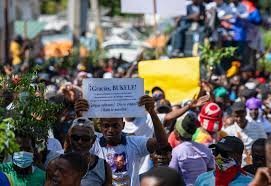
Haiti Welcomes Salvadoran Forces: A New Hope Against Gang Terror?
The atmosphere in Haiti has shifted from despair to cautious optimism. In a powerful display of hope, massive crowds have taken to the streets to celebrate the arrival of hundreds of security forces from El Salvador. These troops have been deployed with a singular, urgent mission: to combat the ruthless gangs that have terrorized the nation and paralyzed its infrastructure for years.
The Struggle for Order in Haiti
For too long, Haiti has been trapped in a cycle of instability and violence. Despite numerous international missions aimed at restoring peace, the results have often been disappointing, leaving a vacuum of power that criminal gangs were all too happy to fill. The current crisis has reached a breaking point, making the arrival of foreign support not just welcome, but vital for survival.
According to reports from CNN, the sentiment on the ground is one of relief. Citizens are desperate for a solution that actually works, moving beyond diplomatic gestures toward concrete security actions.
The “Bukele Effect”: Exporting a Controversial Security Strategy
The deployment of Salvadoran troops brings the shadow of Nayib Bukele to the Caribbean. The President of El Salvador has gained worldwide notoriety for his “Iron Fist” approach to gang violence, which significantly reduced homicide rates in his own country but sparked intense debate over human rights.
The core question now is whether the tactics used by Bukele in El Salvador can be successfully adapted to the complex sociopolitical landscape of Haiti. The strategy typically involves:
- n
- Rapid Territorial Recovery: Reclaiming neighborhoods from gang control through overwhelming force.
- Aggressive Deterrence: Implementing strict measures to ensure gang members do not return to their territories.
- Direct Intervention: A high-pressure military presence to break the cycle of fear.
Will This Deployment Mark the Difference?
While the crowds are cheering, analysts remain cautious. Haiti’s challenges are multifaceted, involving not only security but also deep-rooted political instability and economic collapse. For the Salvadoran mission to succeed where others failed, it will need more than just tactical strength; it will require a coordinated effort to rebuild the state’s legitimacy.
As the world watches, the eyes of the international community are on this new intervention. If the security model championed by Nayib Bukele proves effective in Haiti, it could redefine how the international community handles gang-led states in the future.
For more information on global security trends and international relations, you can follow updates from the United Nations regarding peacekeeping operations.
📰 You May Also Like