The ‘Snowvember’ Nightmare: Remembering the Historic Buffalo New York Snowstorm 2014
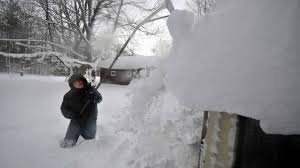
The Day Buffalo Froze: The Legacy of the 2014 ‘Snowvember’ Blizzard
Buffalo, New York, is no stranger to winter challenges. However, few events in the city’s history carry as much weight—and snowfall—as the infamous Buffalo New York snowstorm 2014, affectionately yet terrifyingly dubbed “Snowvember.”
Starting on November 17, this wasn’t just a typical winter flurry. It was a meteorological anomaly that transformed the region into a frozen wasteland over the course of five grueling days. For those who lived through it, the sight of a literal “wall of snow” remains etched in their memories.
The ‘Atmospheric Hat Trick’: Why It Happened
What caused such a catastrophic event? According to meteorologists Andy Parker and Aaron Mentkowski, it was a perfect storm of three specific factors—an “atmospheric hat trick”:
- Warm Lake Temperatures: Lake Erie was recording above-average season temperatures.
- A Polar Wave: A sudden, aggressive wave of cold air collided with the warm lake moisture.
- A Low-Pressure System: A storm system locked into place, creating a relentless conveyor belt of snow.
Once the system locked in, it refused to budge, resulting in some of the most extreme lake effect snow patterns ever recorded in the region.
A Tale of Two Cities: 65 Inches vs. 6 Inches
One of the most shocking aspects of the 2014 storm was the disparity in snowfall. In a stunning display of how localized lake effect snow can be, the southern portion of Cheektowaga was buried under a staggering 65 inches of snow. Meanwhile, just a short distance away, northern locales like Amherst and Tonawanda remained virtually snow-free.
Even more surreal was the data from the Buffalo Niagara International Airport, which reported less than six inches of snow while neighbourhoods nearby were struggling to find their front doors.
The Human and Economic Toll
Beyond the statistics, the 2014 blizzard had a devastating impact on the community. The storm resulted in 14 tragic deaths and caused widespread structural damage, including collapsed roofs unable to withstand the immense weight of the snow.
The chaos extended to the city’s cultural and sporting life:
- The Buffalo Bills: Their November 23rd home game had to be relocated to Detroit.
- The Buffalo Sabres: While one game managed to proceed, another highly anticipated match against the New York Rangers was postponed.
- Daily Life: Schools and offices were shuttered, and thousands of motorists were stranded in their vehicles.
Lessons Learned and Political Fallout
The scale of the disaster brought high-level political scrutiny. Then-Governor Andrew Cuomo and his cabinet relocated from Albany to Buffalo for nearly a week to oversee recovery efforts. While the National Weather Service (NWS) and local media had provided advance warnings, the sheer intensity of the event led to debates about the efficacy of weather reporting and emergency preparedness.
A decade later, the lessons learned from “Snowvember” continue to shape how the region handles advanced weather warnings, ensuring that Buffalo is better prepared for the next time the lakes decide to unleash their fury.
📰 You May Also Like