Susan Smith: The Haunting Legacy of a Mother’s Betrayal and the Fight for Justice
The Eternal Pain of a Father’s Loss
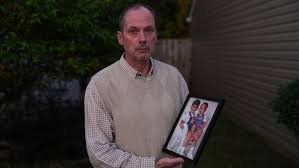
For David Smith, time has a cruel way of standing still. While the world moves forward, he remains anchored to October 1994. In his hands, he holds a framed photograph of Michael and Alex—two young boys who should be in their 30s today. Instead, they are frozen in time: one with a bowl cut, the other with round cheeks, forever toddlers tinkering with monster trucks.
The tragedy of Susan Smith is not just a closed chapter in a true crime archive; it is a living, breathing nightmare for a father who refuses to let his children be forgotten. As Susan Smith faces her second parole hearing, the emotional wounds of a nation and a family have been ripped wide open once again.
A Web of Lies and a Nation Deceived
In 1994, the United States was gripped by a harrowing story. Susan Smith claimed that a Black man had carjacked her at a traffic light in Union, South Carolina, fleeing with her two sons in the back seat. For nine days, the country watched as David Smith stood by his wife, their fingers intertwined, pleading for the safe return of their boys.
However, the facade crumbled. Inconsistencies in her story and a failed lie detector test led to a confession that shocked the world. Susan Smith had not been a victim; she was the perpetrator. She admitted to strapping her children into their car seats and rolling her Mazda sedan into the depths of John D. Long Lake.
The Cruel Truth Behind the Crime
- The Motive: Prosecutors argued that Susan killed her children to appease a man she was having an affair with, who did not want children.
- The Deception: Her false accusations against a non-existent Black man strained race relations in South Carolina and led law enforcement on a futile manhunt.
- The Discovery: The car was found upside down at the bottom of the lake, with a heartbreaking detail: Michael’s tiny hand was pressed against the glass.
The Battle for Parole: Forgiveness vs. Justice
After serving nearly three decades in a South Carolina prison, Susan Smith is once again requesting her freedom. For David Smith, this is an unacceptable prospect. He describes a lack of genuine remorse, stating that his former wife has never truly apologized for the unthinkable.
“I want them to look at it … through my eyes,” David tells the parole board. “It’s important for me to remind the parole board that it may be 32 years, but for me, it’s still like yesterday.”
The community of Union still feels the scar. While some residents wish the town would move past the crime, others remain steadfast in their condemnation. The memorial at the lake, adorned with faded teddy bears and toy trucks, serves as a silent witness to the lives stolen.
Finding the Strength to Survive
The road to recovery for David Smith was paved with despair. In the wake of the confession, he contemplated suicide. However, a pivotal moment came while watching the film The Shawshank Redemption. The quote “Get busy living, or get busy dying” became his mantra.
David eventually remarried and had two more children, though the fear of loss followed him into the delivery room. Today, he carries the photo of Michael and Alex on his lapel—not as a symbol of grief, but as a shield against oblivion.
Conclusion: A Lesson in Endurance
The case of Susan Smith remains one of the most infamous examples of maternal betrayal in American history. As the legal system deliberates on her release, the story serves as a poignant reminder that while the law may offer parole, time does not offer a cure for a broken heart.
For David Smith, justice isn’t about revenge; it’s about ensuring that the lives of Michael and Alex are honored by the continued accountability of the person who took them away.
📰 You May Also Like