Russia’s Olympic Return: A Shift in Mood and a Potential Flag at LA 2028
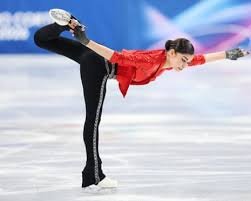
The cheers are back, the soft toys are flying, but a genuine smile remains elusive for Russian athletes at the Winter Olympics. While a medal hasn’t been won yet, the possibility of a breakthrough for 18-year-old Adeliia Petrosian in figure skating on Thursday is capturing attention – not just in Milan, but in the highest echelons of Moscow. This signifies a significant shift in Russia’s relationship with the Games, hinting at a return from the sporting cold that seems increasingly likely.
From Frigid Disinterest to Vocal Support
Just two years ago, the Kremlin displayed little enthusiasm for the Olympics. Russians competing as “authorised neutral athletes” in Paris faced criticism, even being labelled “traitors” by figures like Irina Viner, Russia’s rhythmic gymnastics president. However, the current mood is markedly different. Press Secretary Dmitry Peskov affirmed his intent to watch Russian athletes compete, and TV personality Dmitry Guberniev vocally championed Petrosian, reflecting a renewed national support. He even remarked on the changing landscape, stating that those who previously criticized the neutral athletes are now “keeping their mouths shut.”
The IOC’s Stance and Russia’s Push for Reinstatement
Many seasoned Olympic observers believe Russia’s return is all but inevitable. The International Olympic Committee (IOC) signaled a willingness to allow Russian youth athletes to compete under their own flag in December, paving the way for participation in the Youth Games. IOC President Kirsty Coventry emphasized the importance of allowing athletes to compete freely, regardless of their governments’ politics.
Russia’s Sports Minister Mikhail Degtyarev is optimistic about a full return to international sport, potentially as early as April or May. He also issued a warning to the IOC, threatening legal action if the matter isn’t addressed promptly. Degtyarev stated that if the IOC doesn’t initiate discussions, Russia will pursue both reinstatement of the Russian Olympic Committee and a commercial lawsuit for financial losses incurred due to the ban. The IOC’s official website provides further information on their stance and policies.
Remaining Hurdles and Minor Grievances
Two issues remain outstanding: Russia’s inclusion of Ukrainian regions within the Russian Olympic Committee and unpaid fees to the World Anti-Doping Agency. However, these are not considered insurmountable obstacles. Meanwhile, some Russian athletes have voiced minor complaints about treatment, such as Nikita Filippov’s claim of being denied a complimentary phone provided to other athletes. There was also some debate surrounding Petr Gumennik’s figure skating score, with Peskov suggesting a biased judging panel.
A Nation’s Pride and the Bigger Picture
Despite some reservations about competing as neutrals, Degtyarev stressed that Russian athletes remain patriotic and represent their country regardless of the flag they compete under. He emphasized that simply being present at the Games is a victory in itself.
The prospect of seeing Vladimir Putin and Donald Trump at the 2028 Los Angeles Olympics opening ceremony, with the Russian flag proudly displayed, once seemed far-fetched. Now, it’s a scenario that few would dismiss. The shift in mood, coupled with the IOC’s evolving stance, suggests that Russia’s return to the Olympic stage is not just possible, but increasingly probable. NBC Olympics offers comprehensive coverage of the Olympic Games and related news.