Ontario Snow Forecast: How to Stay Prepared for Winter Storms
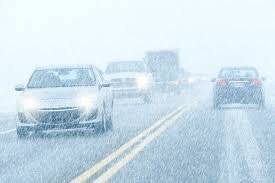
Navigating the Winter Chill: Your Guide to the Ontario Snow Forecast
Winter in Ontario is more than just a season; it is an experience. From the bustling streets of Toronto to the quiet landscapes of Ottawa and Thunder Bay, snow is a defining part of life here. However, the unpredictability of the Ontario snow forecast can often leave residents scrambling for shovels and winter tires.
Whether you are a lifelong Canadian or new to the Great White North, staying informed and prepared is the key to surviving and thriving during the winter months.
How to Track the Most Accurate Snow Forecasts
When it comes to winter weather, relying on a single app might not be enough. To get the most precise and up-to-the-minute data on snowfall and temperature drops, it is essential to use authoritative sources.
- n
- Environment Canada: The gold standard for weather alerts in the region. Check their official site for Weather Alerts and Forecasts to stay updated on snow warnings.
- Local News Outlets: Regional stations often provide hyper-local data that general apps might miss.
- Mobile Alerts: Ensure your government emergency alerts are enabled on your smartphone for immediate warnings about severe snowstorms or blizzards.
Essential Winter Preparation for Ontarians
Once the Ontario snow forecast predicts a significant accumulation, it is time to move into action. Being proactive prevents stress and ensures safety.
1. Vehicle Readiness
Driving in Ontario during winter requires specific precautions. Ensure your car is equipped with winter tires, as they provide significantly better traction on ice and snow than all-season tires. Additionally, keep an emergency kit in your trunk containing:
- A snow brush and ice scraper.
- A flashlight with extra batteries.
- Warm blankets and extra gloves.
- A small shovel and sand or kitty litter for traction.
2. Home Winterization
Preventing frozen pipes and heat loss is crucial. Check your window seals, ensure your heating system is serviced, and keep your walkways salted to avoid hazardous ice patches.
Safety Tips for Heavy Snowfall
When the snow starts falling heavily, remember these safety guidelines:
- Slow Down: Increase your following distance when driving. Snow reduces visibility and increases braking distance.
- Dress in Layers: To avoid hypothermia and frostbite, wear moisture-wicking base layers, an insulating middle layer, and a waterproof outer shell.
- Shovel Carefully: Shoveling heavy snow can put a strain on your heart. Take frequent breaks and lift with your legs, not your back.
Conclusion
While the Ontario snow forecast might occasionally bring challenges, being well-prepared turns a potential crisis into a manageable inconvenience. By monitoring official channels and prepping your home and vehicle, you can enjoy the beauty of a Canadian winter without the stress.
Stay warm, stay safe, and keep an eye on the skies!
📰 You May Also Like