Remembrance Day: Understanding the Significance of the November 11 Holiday in Canada
The Heart of Remembrance: Why the November 11 Holiday Matters in Canada
Every year, as the autumn chill settles across the Canadian landscape, the nation pauses in a collective moment of silence. The November 11 holiday, known across the country as Remembrance Day, is more than just a date on the calendar; it is a profound expression of gratitude, grief, and national identity.
But what exactly is the history behind this day, and why does it remain so pivotal to Canadian society? Let’s dive into the meaning and traditions of this solemn observance.
The Origins of November 11
The choice of November 11 is not accidental. It marks the anniversary of the armistice that ended the fighting in World War I. On the 11th hour of the 11th day of the 11th month in 1918, the guns finally fell silent.
While it began as a way to commemorate the “Great War,” the November 11 holiday has evolved. Today, Canadians use this day to honor all those who have served and sacrificed their lives in various conflicts and peacekeeping missions worldwide, ensuring that their bravery is never forgotten.
The Symbolism of the Red Poppy
If you walk through any Canadian city in early November, you will see a sea of small, red fabric flowers pinned to lapels. The red poppy is the most iconic symbol of Remembrance Day.
- n
- The Origin: The symbol was inspired by the poem “In Flanders Fields,” written by Lieutenant-Colonel John McCrae, a Canadian physician and soldier during WWI.
- The Meaning: Poppies were some of the first plants to grow in the devastated battlefields of Belgium and France, symbolizing hope and rebirth amidst destruction.
- The Impact: Today, the Royal Canadian Legion distributes poppies to raise funds for veterans and their families, keeping the spirit of support alive.
How Canadians Observe Remembrance Day
Observing the November 11 holiday is a deeply personal yet communal experience. Here are the most common traditions across Canada:
1. The Two-Minute Silence
At 11:00 AM, the entire country is encouraged to stop whatever they are doing for two minutes. In many towns, sirens wail, and traffic comes to a standstill as a sign of respect for the fallen.
2. Memorial Ceremonies
Communities gather at cenotaphs and war memorials for wreath-laying ceremonies, prayers, and the playing of the Last Post. These events serve as a powerful reminder of the human cost of war.
3. Education and Reflection
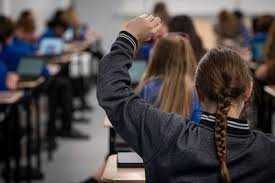
Schools and organizations often hold assemblies to teach younger generations about the historical context of the wars and the importance of maintaining global peace.
Why We Must Continue to Remember
In a fast-paced digital world, the November 11 holiday provides a necessary pause. It is a day to reflect on the fragility of peace and the immense courage of those who stepped forward to protect the freedoms we enjoy today.
By acknowledging the sacrifices made by the Veterans Affairs Canada community, we commit ourselves to a future where diplomacy and empathy prevail over conflict.
📰 You May Also Like