Look at Me: The Brilliance and Blind Spots of Dustin Hoffman’s Cinematic Journey
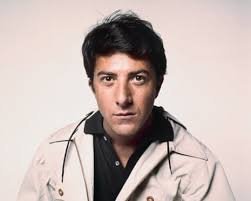
Unmasking a Legend: A Deep Dive into Dustin Hoffman’s ‘Look at Me’
The title of an autobiography often serves as a window into the author’s soul. While some stars opt for triumphant narratives, Dustin Hoffman chooses a title that is both a plea and a demand: Look at Me. At 89, the man who redefined the American leading man continues to fascinate, not only for his undeniable brilliance on screen but for a startling lack of self-awareness that permeates his reflections.
The Clash of Acting Philosophies: Hoffman vs. Olivier
One of the most captivating segments of the memoir revolves around Hoffman’s interactions with the legendary Laurence Olivier. In a moment that encapsulates the divide between the ‘Method’ and classical acting, Hoffman once told Olivier that acting was about having a message for the world. Olivier’s response was a crisp, whispered repetition: “Look at me, look at me, look at me.”
This interaction highlights the central tension in Hoffman’s career: the drive to be seen and understood versus the technical mastery of the craft. The book also clears up a long-standing Hollywood myth regarding a night Hoffman spent awake to look exhausted for a role, only for Olivier to tell him to “try acting.” As it turns out, Hoffman wasn’t practicing Method acting—he was simply recovering from a wild night at Studio 54.
Redefining the Leading Man
Dustin Hoffman didn’t fit the Robert Redford mold of the 1960s. He was the scrappy underdog, a livewire from a secular Jewish home in California. His breakthrough in The Graduate was a seismic shift in cinema, proving that a non-traditional look could carry a major motion picture. However, this success came with the sting of period-specific antisemitism and press mockery regarding his appearance.
Throughout his career, Hoffman’s commitment to the moment was legendary—and often polarizing. From the improvised desperation of Ratso Rizzo in Midnight Cowboy to the meticulously researched portrayal of an autistic savant in Rain Man, his dedication frequently disconcerted co-stars like Meryl Streep and Tom Cruise.
The Ghost of the Father: Harry Hoffman
If the book has a tragic protagonist, it is Dustin’s father, Harry. A failed Hollywood hopeful himself, Harry’s relationship with his son was marked by bitterness and abuse. The narrative reaches a heartbreaking peak when Dustin describes playing Willy Loman in Death of a Salesman. Despite basing the performance on his father, Harry watched the play and dismissed the character as a “loser,” seemingly blind to the reflection of himself on stage.
The Silence Around #MeToo
Despite the transparency regarding his childhood, Look at Me is notably guarded when discussing the 2017 #MeToo allegations. While several women accused Hoffman of harassment and groping, the book brushes over these events in a few pages, avoiding specific names and deep accountability.
- n
- The Accusations: Allegations of sexual harassment on the set of a TV movie in 1985.
- The Response: Hoffman denied wrongdoing but admitted to “thoughtless” behaviour.
- The Narrative: He compares his experience to McCarthyism, framing himself as a victim of internet “reckonings.”
Final Thoughts: A Legacy in Tension
Dustin Hoffman remains an era-defining actor whose intuitive grasp of human frailty changed movies forever. Yet, Look at Me reveals a man who may be out of step with contemporary gender politics and authentic casting. Perhaps his relentless drive to continue working into his late 80s is an attempt to ensure that his artistic brilliance remains the final word in his story, overshadowing the controversies of his personal life.
📰 You May Also Like