
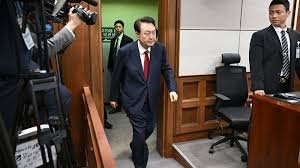
Yoon Suk Yeol: Understanding South Korea’s Leader
Yoon Suk Yeol assumed office as the President of South Korea in May 2022, marking a significant shift in the nation’s political landscape. His election followed a closely contested race and signaled a desire for change among South Korean voters. This article delves into his background, key policies, and the challenges he faces as he navigates a complex geopolitical environment.
From Prosecutor to President: Yoon Suk Yeol’s Background
Prior to entering politics, Yoon Suk Yeol built a distinguished career as a prosecutor. He gained prominence for his work investigating high-profile corruption cases, earning a reputation as a staunch advocate for the rule of law. His background as a prosecutor significantly shaped his political platform, emphasizing accountability and reform. He served as the Prosecutor General under the previous administration before resigning to pursue the presidency.
Key Policies and Initiatives
Yoon Suk Yeol’s policy agenda centers around several key areas:
- Economic Revitalization: He aims to stimulate economic growth through deregulation, tax cuts, and fostering innovation. His administration is focused on attracting foreign investment and strengthening South Korea’s competitiveness in the global market.
- Strengthening Alliances: A cornerstone of his foreign policy is bolstering the alliance with the United States. He seeks to deepen cooperation on security and economic issues, particularly in the face of regional challenges.
- North Korea Policy: Yoon Suk Yeol has adopted a firmer stance towards North Korea, emphasizing deterrence and a stronger security posture. He has called for a more robust response to Pyongyang’s provocations.
- Social Reforms: Addressing low birth rates and an aging population are critical priorities. Policies are being explored to support families and encourage higher birth rates.
Challenges Facing the Yoon Administration
Yoon Suk Yeol’s presidency is not without its challenges. He faces a deeply polarized political climate, a slowing global economy, and ongoing tensions with North Korea. Domestically, he must navigate a divided National Assembly and address concerns about economic inequality. Externally, managing relations with China and maintaining a strong alliance with the US are crucial for South Korea’s security and prosperity.
The ongoing geopolitical landscape, including the war in Ukraine and rising global inflation, adds further complexity to his administration’s agenda. Successfully addressing these challenges will require skillful diplomacy, strong leadership, and a commitment to collaboration.
Looking Ahead
Yoon Suk Yeol’s presidency represents a pivotal moment for South Korea. His policies and leadership will shape the nation’s future for years to come. Understanding his background, priorities, and the challenges he faces is essential for anyone seeking to understand the evolving dynamics of Northeast Asia. For further information on South Korean politics, consider exploring resources from The Council on Foreign Relations.



