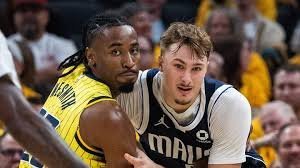
Jamal Shead and Immanuel Quickley: The Bold Backcourt Experiment the Toronto Raptors Need

The Raptors’ DNA: A Legacy of Bold Experimentation
The Toronto Raptors have long been known as the NBA’s laboratory. From their unconventional approach to team building to the daring “Project 6-9” philosophy—which prioritized long, versatile wings with ball-handling skills—Toronto isn’t afraid to break the mold to find a competitive edge.
While the league has shifted toward maximizing frontcourt size and offensive rebounding, there is another old-school trend that could breathe new life into the current roster: the undersized, high-IQ backcourt. Specifically, a starting duo consisting of Jamal Shead and Immanuel Quickley.
The “IQ Show” and the Need for a Catalyst
For many, Immanuel Quickley is a cornerstone of the Raptors’ future. However, early glimpses of this campaign suggest that the “IQ show” has hit a few bumps. While his talent is undeniable, Quickley has appeared slightly overwhelmed when tasked with primary point guard duties, particularly in half-court sets where the offense can stagnate.
Enter Jamal Shead. In a recent call-up during Quickley’s absence, Shead provided an immediate spark, recording a staggering 16 assists to just one turnover. His ability to orchestrate the offense and ensure the team gets into their sets effectively was a breath of fresh air for a struggling unit.
A Perfect Synergy: The Yin and Yang of the Backcourt
The beauty of pairing Shead and Quickley lies in their complementary skill sets. While Shead excels as the pure playmaker and defensive pest, Quickley is a lethal off-ball scorer. By shifting the creative burden to Shead, Quickley can return to what he does best: slashing and shooting.
This isn’t just a theoretical hunch; the data backs it up. According to NBA statistical trends and internal tracking, the chemistry between these two is evident. Last season, in 457 shared minutes, the Raptors boasted a net rating 4.1 points per 100 possessions better when both Shead and Quickley were on the floor compared to when they were off.
Addressing the Risks: Defense and Depth
Of course, any bold move comes with trade-offs. A backcourt of Shead and Quickley lacks traditional size, which could lead to mismatches on the defensive end. However, there is a silver lining: by reducing their offensive workload, both guards may have more energy to dedicate to lockdown defense.
Who moves to the bench?
To make this work while Kawhi Leonard is sidelined, Ja’Kobe Walter would be the logical candidate to move to a reserve role. Given his recent struggles from beyond the arc (shooting 2-of-16 from three), a change in scenery and a reduced role might be exactly what he needs to regain his confidence.
Final Thoughts: Low Risk, High Reward
It is still early in the season—the ideal time for a front office to gather data on various lineup combinations. Testing a Shead-Quickley pairing doesn’t just optimize the starting five; it also creates a vital opening for Alijah Martin to contribute more significantly off the bench, following his impressive performance against the Milwaukee Bucks.
If the Raptors want to reclaim their status as trendsetters, embracing the Jamal Shead era in the starting lineup might be the smartest gamble they can take.
📰 You May Also Like