Darius Acuff Jr.: The Sacramento Kings’ New Offensive Engine and NBA Record-Breaker
Darius Acuff Jr.: The Sacramento Kings’ New Offensive Engine and NBA Record-Breaker
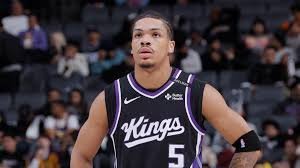
In the high-stakes world of the NBA, it usually takes years for a rookie to command the flow of a game. However, Darius Acuff Jr. is defying every convention. Just a few weeks into the season, the Sacramento Kings’ rookie guard isn’t just participating in the league—he is dominating the ball and the conversation.
A Statistical Anomaly: Usage and Impact
When you look at the NBA’s usage rate leaders, you expect to see established titans like Luka Dončić, Stephen Curry, or Shai Gilgeous-Alexander. But look closer at the top ten, and you’ll find a surprising name: Darius Acuff Jr.
With a staggering 31.6% usage rate through his first eight games, Acuff ranks No. 8 in the entire league. To put this in perspective, he is the only rookie in the top 40 alongside Caleb Wilson. This level of responsibility is unheard of for a 19-year-old, placing him in the same statistical conversation as legends like LeBron James and Oscar Robertson.
Breaking the Record Books
Acuff isn’t just accumulating minutes; he’s making history. After a stellar performance against the Lakers, featuring 22 points and 12 assists, Acuff became the fastest player in NBA history to reach at least 200 points and 50 assists. It is becoming clear that the record books are his personal playground this season.
The “Coach Cal” Pedigree
For those who followed college basketball at Arkansas, Acuff’s ascent is hardly a shock. Under the tutelage of the legendary John Calipari, Acuff developed into a lethal offensive weapon. He became only the second SEC player (and the first since the iconic Pete Maravich) to average at least 22 points and six assists per game in a single season.
Calipari has a proven track record of polishing elite guards—from Derrick Rose to Tyrese Maxey—and Acuff is proving to be one of the finest freshman guards Calipari has ever coached. This collegiate foundation provided the processing skills and confidence necessary to handle the NBA’s speed.
The Sacramento Dilemma: Why Acuff is the Hub
Why is a rookie being handed the keys to the franchise so quickly? The answer lies in Sacramento’s current roster construction. The Kings are facing a severe shortage of primary playmakers. With Ben Simmons sidelined due to a torn Achilles and a lack of a true backup point guard, the burden has fallen squarely on Acuff’s shoulders.
While the team boasts veterans like Zach LaVine and Domantas Sabonis, they lack organic shot creation. This has forced Acuff into a “system” role similar to James Harden in his prime—directing traffic, creating looks for teammates, and taking the toughest shots when the clock winds down.
- n
- High Volume: Acuff averages 23.6 shot attempts per game (2nd in the NBA).
- Elite Facilitation: Averaging 7 assists per game (12th in the league).
- Paint Proficiency: Shooting 48.1% at the rim.
Strengths, Weaknesses, and the Path Forward
No rookie is perfect, and Acuff is no exception. His primary struggle remains on the defensive end. Throughout his time at Arkansas and now in the NBA, his defense has been a point of critique. However, his offensive ceiling is so high that it outweighs these concerns for now.
The blueprint for Acuff’s future success likely mirrors what the New York Knicks did with Jalen Brunson: surround the offensive engine with “3-and-D” wings to alleviate defensive pressure. Currently, the Kings lack this depth, with key players like Keegan Murray dealing with injuries.
Acuff vs. The Field: More than a Scorer
Many have compared him to Cam Thomas due to his scoring volume, but that comparison undersells his game. Unlike Thomas, Acuff is an advanced facilitator. With 12.4 potential assists per game, he possesses a vision and passing range that elevates everyone around him.
Final Verdict
Darius Acuff Jr. is a rare talent who is being thrown into the fire. While the Sacramento Kings may struggle as a team in the short term, the silver lining is the accelerated development of a generational guard. If he continues to evolve, the Kings aren’t just drafting a player—they are building a franchise around a future MVP candidate.
📰 You May Also Like