The End of the Road for Elon Musk’s Cybertruck: Why Tesla is Pivoting to Robotaxis
The End of the Road for Elon Musk’s Cybertruck: Why Tesla is Pivoting to Robotaxis
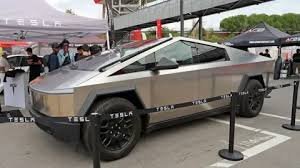
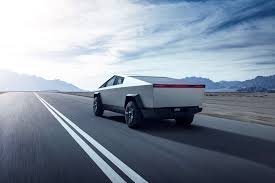
In a move that has sent shockwaves through the automotive and tech industries, Elon Musk has announced that Tesla will stop producing the Cybertruck next year. The futuristic, stainless-steel behemoth, which once promised to redefine the pickup truck market, is being sidelined to make way for a new era of autonomy: the Cybercab robotaxis.
The Strategic Pivot: From Steel Trucks to AI Robots
Tesla is no longer just an electric vehicle (EV) manufacturer; it is aggressively transforming into an AI and robotics-focused company. According to Musk, the factory space previously dedicated to the Cybertruck will now be repurposed to ramp up the production of two-seater Cybercab robotaxis.
This isn’t the first time Tesla has sacrificed a product for the sake of its broader AI ambitions. Earlier this year, the company halted production of the Model S and Model X to prioritize the development of Optimus, Tesla’s humanoid robot. The shift signals a clear direction: Musk believes the future of transportation is not just electric, but entirely autonomous.
Why the Cybertruck Failed to Meet Expectations
While the Cybertruck generated immense hype, the reality of its market performance told a different story. Despite the bold design and “apocalyptic” aesthetic, several factors contributed to its downfall:
- n
- Missed Targets: Originally promised at under $40,000 with a 500-mile range, the final product launched with a base price around $60,000 and significantly reduced range.
- Low Sales Volume: While Musk predicted annual sales of 250,000 units, actual sales remained in the tens of thousands.
- Polarizing Design: The “cyberpunk” look, inspired by films like Blade Runner, proved too divisive for the average consumer.
- Political Friction: Musk’s high-profile political affiliations and leadership in the “Department of Government Efficiency” turned the vehicle into a symbol of political divide, alienating a segment of its target audience.
What’s Next? The Rise of the Cybercab
The focus now shifts to the Cybercab. Tesla has already begun deploying these autonomous vehicles on the streets of Austin, Texas, with plans to expand into Dallas and other major cities. By leveraging their existing robotaxi fleet of Model Y SUVs, Tesla aims to dominate the ride-hailing industry without the need for human drivers.
For those interested in the evolution of autonomous transport, keeping an eye on Tesla’s official updates is essential, as the company continues to blur the line between automotive engineering and artificial intelligence.
Final Thoughts
The discontinuation of the Cybertruck is a bold, albeit risky, move. It proves that in the world of Elon Musk, no project is too “favorite” to be scrapped if it stands in the way of a larger vision. Whether the Cybercab can achieve the commercial success that eluded the Cybertruck remains to be seen, but one thing is certain: the race for AI supremacy is now the primary engine driving Tesla forward.
📰 You May Also Like