Iftar Time 2026: A Global Guide to Ramadan Schedules
Ramadan, the ninth month of the Islamic calendar, is a time of spiritual reflection, community, and rigorous fasting for Muslims worldwide. The dawn-to-dusk fast, a cornerstone of Ramadan, varies in length from approximately 11.5 to 15.5 hours, depending on your geographical location. As we look ahead to Iftar time 2026, understanding these timings and the significance of the month is crucial for observant Muslims.
When Does Ramadan 2026 Begin?
While the exact date is subject to the sighting of the crescent moon, predictions indicate that Ramadan 2026 is likely to begin around February 17th or 18th. This determination is typically made by moon-sighting committees in various countries, with Saudi Arabia often leading the announcement. The Islamic calendar is a lunar calendar, meaning its months are based on the cycles of the moon, causing Ramadan to shift approximately 11 days earlier each year.
The Significance of Ramadan
Ramadan holds immense religious importance for Muslims. It commemorates the month in which the first verses of the Quran were revealed to the Prophet Muhammad over 1,400 years ago. The fast isn’t merely about abstaining from food and drink; it’s a holistic practice encompassing abstinence from smoking, and sexual relations during daylight hours. This self-discipline aims to cultivate taqwa – a heightened consciousness of God and empathy for those less fortunate.
Fasting Hours Around the Globe in 2026
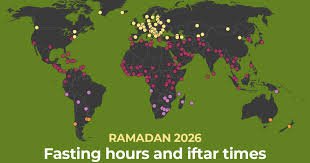
The length of the fast is dramatically influenced by latitude and the time of year. Here’s a general overview of what to expect in 2026:
- Northern Hemisphere: Expect shorter fasting hours, ranging from approximately 12 to 13 hours on the first day of Ramadan, gradually increasing throughout the month.
- Southern Hemisphere: Muslims in countries like Chile, New Zealand, and South Africa will experience longer fasting periods, potentially lasting 14 to 15 hours on the first day, with a decrease as the month progresses.
Interestingly, the number of fasting hours for most of the world’s population in the Northern Hemisphere will continue to decrease until 2031, when Ramadan will coincide with the winter solstice – the shortest day of the year. Conversely, those south of the equator will experience longer fasting hours.
A Unique Ramadan in 2030
Due to the difference between the lunar and solar years (approximately 11 days), a remarkable event will occur in 2030: Ramadan will be observed twice within the same year! The first observance will begin on January 5th, and the second on December 26th.
Common Ramadan Greetings
During Ramadan, Muslims exchange heartfelt greetings to express their well wishes. The most common are:
- Ramadan Mubarak: Meaning “Blessed Ramadan.”
- Ramadan Kareem: Meaning “Generous Ramadan.”
These greetings convey hopes for a spiritually fulfilling and blessed month for all.
Stay tuned for more detailed Iftar time 2026 schedules as the date approaches. Resources like IslamicFinder will provide city-specific timings for Suhoor (pre-dawn meal) and Iftar (fast-breaking meal).