Measles Outbreaks: A Comprehensive Guide to Prevention and Symptoms in Canada
Measles: Why This Preventable Disease is Still a Threat
In recent years, we have seen a concerning rise in measles (known as rougeole in French) cases globally and within various Canadian provinces. Despite being a vaccine-preventable disease, measles remains one of the most contagious viral infections in the world. For many, it may seem like a childhood ailment of the past, but the reality is that it can lead to severe health complications if not managed correctly.
Understanding how the virus spreads and how to defend against it is crucial for maintaining public health and protecting the most vulnerable members of our community.
What Exactly is Measles (Rougeole)?
Measles is a highly contagious respiratory infection caused by a virus. It spreads through the air when an infected person coughs or sneezes. The virus can linger in the air or on surfaces for up to two hours, making it incredibly easy to contract in crowded public spaces, schools, or transit hubs.
Common Symptoms to Watch For
The symptoms of measles usually appear 7 to 14 days after exposure. It is important to recognize the signs early to prevent further spread. Look out for:
- High Fever: A sudden onset of high temperature is often the first sign.
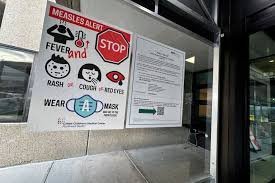
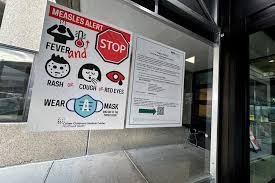
- The “Three Cs”: Cough, coryza (runny nose), and conjunctivitis (red, watery eyes).
- Koplik Spots: Tiny white spots that may appear inside the cheeks before the rash develops.
- The Characteristic Rash: A red, blotchy rash that typically begins on the face and spreads downward to the neck, trunk, and extremities.
The Power of Prevention: The MMR Vaccine
The most effective way to protect yourself and your family from measles is through vaccination. The MMR (Measles, Mumps, and Rubella) vaccine is safe, effective, and provides long-lasting immunity.
In Canada, health authorities strongly recommend two doses of the MMR vaccine. This ensures that almost everyone develops the necessary antibodies to fight off the virus. When a high percentage of the population is vaccinated, we achieve herd immunity, which protects those who cannot be vaccinated due to medical reasons, such as severe allergies or compromised immune systems.
For more detailed information on immunization schedules, you can visit the official Public Health Agency of Canada website.
What to Do if You Suspect an Infection
If you or your child exhibit symptoms of measles, do not go directly to a clinic or hospital without calling ahead. Because the virus is so contagious, healthcare providers need to take precautions to avoid infecting other patients in the waiting room.
- Call your healthcare provider: Inform them of your symptoms and any recent travel history.
- Isolate immediately: Stay home and avoid contact with others to break the chain of transmission.
- Follow medical advice: Your doctor will provide guidance on testing and management based on the World Health Organization (WHO) guidelines.
Final Thoughts on Public Health
Measles is entirely preventable. By staying up to date with vaccinations and remaining vigilant about symptoms, we can ensure that our communities remain healthy and safe. Check your immunization records today and encourage your loved ones to do the same.
📰 You May Also Like