Ontario Winter Forecast: Why a ‘Mild’ Season Still Requires Serious Preparation

The Paradox of a Mild Winter: Understanding the Ontario Winter Forecast
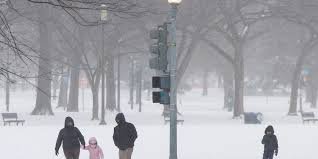
When you hear that the Ontario winter forecast predicts a milder-than-average season, it is easy to breathe a sigh of relief and put the snow shovel away. However, emergency officials in Simcoe County are issuing a critical warning: a milder winter does not mean a safer one.
This year, meteorologists are keeping a close eye on El Niño. While this climate pattern often brings higher overall temperatures, it is also notorious for causing dramatic fluctuations. We aren’t just looking at a “warm winter”; we are looking at a season of volatility, characterized by rapid temperature swings, intense ice storms, and heavy, sudden snowfall.
Why El Niño Changes the Game
According to Grant Durfey, Manager of Emergency Planning for Simcoe County, the danger lies in the intensity of the events rather than the average temperature. El Niño can trigger shorter but significantly more violent storms. For residents, this means the risk of damaging ice accumulation and severe weather spikes remains high, even if the calendar says it’s unusually warm.
Essential Winter Preparedness: Are You Ready?
Personal preparedness is the most effective line of defence during a weather crisis. To ensure your household is ready for whatever the Ontario winter forecast brings, follow these strategic guidelines:
1. Stocking Your Emergency Supplies
Depending on where you live, your needs will vary. Authorities recommend a tiered approach to supplies:
- Urban Residents: Maintain a minimum of 72 hours of food, water, and essential medications.
- Rural Residents: Aim for one week of essentials. This is crucial for those relying on well water or those more susceptible to prolonged power outages.
2. The “Go Bag” Essentials
In the event of an emergency evacuation, you won’t have time to pack. A portable emergency kit, or “go bag,” should be ready by the door containing:
- Non-perishable food and water.
- Extra warm clothing and heavy blankets.
- Hand warmers and a first-aid kit.
- A small amount of cash (critical when power outages disable debit and credit card systems).
3. Home and Vehicle Maintenance
Preventing a disaster is always easier than reacting to one. Take these proactive steps now:
- Tree Care: Trim branches that hang over your home or power lines to prevent outages during freezing rain.
- Vehicle Safety: Keep your gas tank at least half full at all times to avoid becoming stranded during whiteout conditions or road closures.
- Heating Safety: Never use barbecues, gas-powered equipment, or open ovens as indoor heat sources. These pose lethal risks of fire and carbon monoxide poisoning.
Safe Power Management During Outages
Power outages are a primary concern during Ontario winters. If you use a portable generator, safety is paramount. Ensure your generator is placed 10 to 15 feet away from doors, windows, and air intake vents to prevent exhaust fumes from entering your home. Additionally, verify that your carbon monoxide detectors are installed and functioning perfectly.
Community Strength: The SERV Program
Simcoe County is not just relying on individual efforts. The Simcoe Emergency Response Volunteer (SERV) program was launched to bridge the gap during crises. With over 230 volunteers already signed up, the program focuses on shelter support, communication, and field operations, ensuring that those most vulnerable receive help quickly.
Final Thoughts: Better Prepared Than Sorry
It is tempting to ignore weather warnings when the sky looks clear, but emergency planners urge residents to treat every warning as a real threat. If the storm doesn’t hit, consider it a successful practice exercise.
For more detailed guidelines on staying safe, visit the official Government of Canada Get Prepared website or check the latest alerts from Environment and Climate Change Canada.
📰 You May Also Like