Closed School Discharge Program Lawsuit: The Fight for Student Loan Forgiveness
The Nightmare of the Locked Door: When College Dreams Turn into Debt
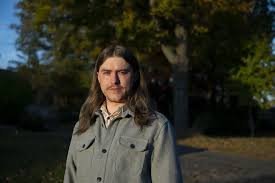
Imagine driving to your campus, eager to finish your degree, only to find the gates chained shut and your future evaporating in an instant. This was the harrowing reality for Kendrick Gaussoin, a photography student at the Brooks Institute. When the private, for-profit college collapsed in 2016, Gaussoin and thousands of others were left in a financial limbo: saddled with massive federal student loans but without the degree needed to pay them back.
For years, these borrowers have looked toward a specific legal remedy: the closed school discharge program. However, a new legal battle has emerged, centering on who actually qualifies for this relief and whether the government can arbitrarily change the rules.
What is the Closed School Discharge Program?
For over three decades, federal law has mandated that the U.S. Secretary of Education cancel the debts of qualified borrowers whose schools close suddenly. This program is designed to protect students from the predatory nature of unstable for-profit institutions. Traditionally, to qualify for a discharge, a borrower must have:
- n
- Been enrolled at the time the school closed.
- Left the school no more than six months prior to the closure.
For many, like Kendrick Gaussoin, these rigid windows are too narrow. Gaussoin had taken a brief leave of absence to gain professional experience, which technically placed him outside the standard eligibility window—despite the school’s collapse occurring right as he returned.
The Legal Clash: The Closed School Discharge Program Lawsuit
The situation took a turn during the Biden administration, when the Department of Education expanded the “look-back window” for several closed institutions, including the Brooks Institute. This move was intended to provide leniency for students caught in “exceptional circumstances.” Suddenly, Gaussoin and others became eligible for full loan forgiveness and refunds of past payments.
However, the transition to the Trump administration brought a abrupt reversal. The current administration has begun denying these expanded claims, labeling the Biden-era policies as “unlawful.” This inconsistency has sparked a major closed school discharge program lawsuit.
Filed by Student Defense, a leading nonprofit borrower advocacy group, the lawsuit argues that the Department of Education cannot simply ignore previous legal authorizations without a reasoned, public explanation. This is particularly contentious given that during the first Trump administration, then-Secretary Betsy DeVos used the same “exceptional circumstances” authority to help students of the Art Institute of Colorado.
The Human Cost of Policy Volatility
Beyond the legal jargon and political tug-of-war lies a devastating human toll. For Kendrick and his mother, Christine, the debt is a constant shadow. Christine, who took out Parent PLUS loans while recovering from surgery, still owes approximately $28,000. Kendrick carries nearly $22,000 in debt with no degree to show for it.
“It’s been really tough,” Gaussoin shares, describing the struggle of surviving on minimum wage while raising two young children. For families like the Gaussoins, this lawsuit isn’t just about administrative rules—it’s about the possibility of reclaiming their financial lives.
How to Find More Information
If you or a loved one attended a school that closed suddenly, it is crucial to stay informed about your rights. You can find official guidelines and application portals at the Federal Student Aid (FSA) website, the official source for U.S. Department of Education loan information.
As the closed school discharge program lawsuit moves through the federal courts, it will set a critical precedent: can the government change the rules of forgiveness overnight, or are borrowers entitled to the promises made to them by the state?
📰 You May Also Like