Borr Drilling Rig Sinks: A Wake-Up Call for Offshore Safety and Operational Risk
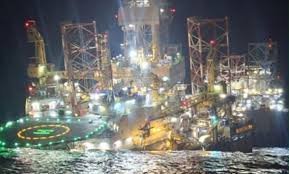
The offshore energy industry has been sent into a whirlwind of concern following the reports that a Borr drilling rig sinks. This incident is not just a financial blow to the operators but a stark reminder of the inherent dangers associated with deep-sea exploration and the volatile environment of the open ocean.
What Happened? Understanding the Incident
While the specifics of maritime disasters often unfold slowly through official investigations, the sinking of a drilling rig typically involves a combination of structural failure, extreme weather conditions, or critical mechanical malfunctions. In the case of the Borr drilling rig, the industry is closely watching for reports on whether stability issues or unforeseen geological shifts played a role.
When a rig of this magnitude sinks, the immediate priority is the safety of the crew. Evacuation protocols and the efficiency of life-saving equipment are put to the ultimate test in these high-pressure scenarios.
The Ripple Effect on the Oil and Gas Sector
The loss of a drilling asset is more than just a loss of equipment; it disrupts entire production timelines and affects investor confidence. The energy sector relies heavily on the availability of high-spec rigs to meet global demand. The sinking of a Borr rig can lead to:
- n
- Operational Delays: Project timelines for oil and gas extraction are pushed back, potentially affecting supply chains.
- Financial Volatility: Insurance claims and the cost of replacing high-tech assets can impact the company’s bottom line.
- Regulatory Scrutiny: Such incidents often trigger rigorous audits by organizations like the International Maritime Organization (IMO) to ensure safety standards are being met.
Critical Safety Lessons for the Future
Preventing a scenario where a Borr drilling rig sinks requires a relentless commitment to safety and innovation. The industry must pivot toward more predictive maintenance and real-time monitoring systems to detect instabilities before they become catastrophic.
Key Areas for Improvement:
- Enhanced Structural Monitoring: Implementing AI-driven sensors to detect metal fatigue and structural stress.
- Better Weather Forecasting: Utilizing advanced meteorological data to evacuate or secure rigs before extreme storms hit.
- Rigorous Crew Training: Ensuring that emergency drills are not just a formality but a lifeline for every worker on board.
Conclusion: Moving Forward with Caution
The news that a Borr drilling rig sinks serves as a sobering reminder that nature often holds the upper hand in offshore operations. As the industry continues to push into deeper waters to secure energy resources, the balance between ambition and safety must remain absolute.
For more insights on energy trends and maritime safety, stay tuned to leading industry analysts and official safety reports to understand how this tragedy will shape the future of offshore drilling.