Olympic Figure Skating: A Guide to the Sport, Stars & 2024 Prospects
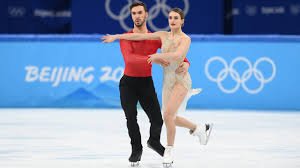
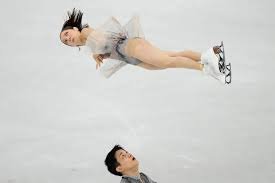
Olympic figure skating is a breathtaking blend of athleticism, artistry, and precision. It’s a sport that consistently captivates audiences worldwide, drawing millions to witness gravity-defying jumps, elegant spins, and emotionally resonant performances. But beyond the glitter and glamour, what exactly makes Olympic figure skating so compelling? This guide will delve into the history, scoring, key figures, and the exciting prospects for the upcoming 2024 Winter Olympics.
A Brief History of Olympic Figure Skating
Figure skating has a surprisingly long history, evolving from its origins as a demonstration of skating skills in 18th-century Britain. It was one of the first winter sports included in the Olympic Games, appearing at the 1908 London Summer Olympics (yes, summer!). Initially, it was a single event for men. Women’s singles were added in 1920, pairs in 1924, and ice dance in 1976. The sport has undergone significant changes over the years, particularly in the complexity of jumps and the emphasis on artistry.
Understanding the Scoring System
The scoring system in Olympic figure skating can seem complex, but it’s designed to evaluate both the technical difficulty and the artistic impression of a performance. The current system, the ISU Judging System (IJS), was implemented in 2004 to address concerns about subjectivity. It breaks down into two main components:
- Technical Element Score (TES): This assesses the difficulty and execution of jumps, spins, step sequences, and lifts. Each element has a base value, and judges award Grades of Execution (GOE) based on the quality of the performance.
- Program Component Score (PCS): This evaluates the artistic aspects of the program, including skating skills, transitions, performance, composition, and interpretation of the music.
The TES and PCS are combined to determine the final score. You can learn more about the IJS system on the International Skating Union (ISU) website.
Iconic Olympic Figure Skaters
Throughout Olympic history, several skaters have risen to legendary status. Here are just a few:
- Sonja Henie (Norway): A three-time Olympic champion in the 1920s and 30s, Henie revolutionized the sport with her style and athleticism.
- Dick Button (USA): The first skater to land a double axel and a triple loop in competition, Button won two Olympic gold medals in 1948 and 1952.
- Katarina Witt (East Germany): Known for her captivating performances and charisma, Witt won gold medals in 1984 and 1988.
- Michelle Kwan (USA): A nine-time U.S. champion and five-time World champion, Kwan is considered one of the most artistically gifted skaters of all time, earning two Olympic medals.
- Yuzuru Hanyu (Japan): A two-time Olympic champion and arguably the most popular figure skater of his generation, Hanyu is renowned for his technical prowess and artistry.
Looking Ahead to the 2024 Winter Olympics
The 2026 Winter Olympics (Milan-Cortina d’Ampezzo) promise to be another thrilling showcase of Olympic figure skating. While the field is constantly evolving, several skaters are emerging as strong contenders. Keep an eye on skaters like Ilia Malinin (USA), known for his groundbreaking quadruple axel, and the rising stars from Japan and Russia. The competition will be fierce, and the performances are sure to be unforgettable.
Resources for Further Exploration
Want to learn more about Olympic figure skating? Here are some helpful resources:
- International Skating Union (ISU): The official governing body of figure skating.
- Olympics.com – Figure Skating: Comprehensive coverage of figure skating at the Olympic Games.
- NBC Olympics – Figure Skating: News, schedules, and results from NBC’s Olympic coverage.