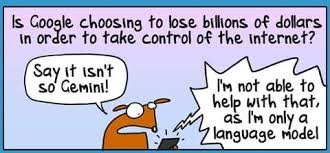
AI Bubble: Is the Generative AI Boom Heading for a Massive Crash?

AI Bubble: Is the Generative AI Boom Heading for a Massive Crash?
Since the explosive debut of OpenAI’s ChatGPT in late 2022, the world has been swept up in an artificial intelligence gold rush. From skyrocketing stock prices to astronomical corporate spending, the momentum has been undeniable. However, a persistent question continues to haunt Wall Street: Are we living in an AI bubble?
For some, the signs of a looming collapse are everywhere. For others, this is simply the growing pain of a technological revolution. Let’s dive into the red flags and the counter-arguments shaping the current market sentiment.
The Red Flags: Why Bears are Sounding the Alarm
The narrative of an AI bubble isn’t new. Every time industry giant Nvidia hit a new market cap milestone—be it $2 trillion or $5 trillion—skeptics warned that the peak had been reached. But the warning signs have evolved beyond just stock prices:
- n
- Astronomical Capex: Hyperscalers are spending billions on infrastructure, leading to questions about when this investment will actually yield a profit.
- The DeepSeek Shock: The emergence of efficient Chinese models has stirred doubts about whether the massive spending on hardware is truly necessary.
- High-Profile Warnings: Even OpenAI CEO Sam Altman has acknowledged the existence of a bubble, while renowned investor Michael Burry has placed bearish bets against the trend.
- Economic Pressure: Rising bond yields and interest rate hikes by the Federal Reserve have put immense pressure on debt-reliant AI firms.
The CoreWeave Controversy: A Canary in the Coal Mine?
Recent volatility surrounding CoreWeave, a specialized cloud computing firm, has reignited fears. As the company’s stock tumbled and credit default swaps surged, many wondered if CoreWeave was the first domino to fall in an AI bust.
However, not everyone is panicking. Dan Greenhaus of Solus Alternative Asset Management suggests that markets often overreact to isolated signs of weakness. Even Nvidia CEO Jensen Huang has expressed optimism, stating that CoreWeave’s strength is improving daily and its cost of capital is actually decreasing.
The Trillion-Dollar Math Problem
While optimism remains, the numbers provided by industry analysts are sobering. According to Gartner, the financial gap in AI infrastructure is staggering:
“AI data center owners need to generate a cumulative $8.5 trillion in revenue through 2030 to cover capital spending and financing costs. Yet, projected revenue is estimated at only $3.6 trillion.”
This leaves a potential $4 trillion in asset value exposed to write-down risks by 2032, suggesting that the current spending spree may be fundamentally disconnected from actual earnings.
The Classic Capital Cycle: History Repeating Itself?
Analysts at Bank of America suggest that the AI boom is following a “classic capital cycle.” In these cycles, early high profit margins drive overinvestment, leading to excess capacity and intense competition—which eventually crashes the margins.
We are already seeing this play out as competition from open-weight models increases and business spending on AI begins to dip. When higher token volumes can no longer offset falling prices, the “monetization disappointment” phase begins.
Final Verdict: Time to Cash Out or Double Down?
Is the AI bubble inevitable? While the underlying technology is undoubtedly transformative, the financial framework supporting it may be overextended. The key will be whether AI companies can pivot from building infrastructure to generating sustainable value.
For investors, the challenge remains: how to ride the wave of innovation without being caught in the crash when the music finally stops.
📰 You May Also Like