
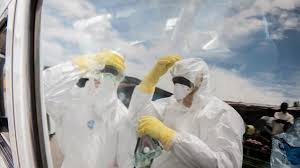
Navigating the Complexity of a Disease Outbreak: A Comprehensive Guide
In an era of unprecedented global connectivity, the term disease outbreak has moved from the pages of medical journals into our daily conversations. Whether it’s a seasonal flu surge or a more significant global health crisis, understanding how these events occur and how to mitigate their impact is crucial for every citizen.
But what exactly defines an outbreak, and why are some more dangerous than others? Let’s dive into the mechanics of infectious diseases and the steps you can take to protect your community.
What Exactly is a Disease Outbreak?
A disease outbreak occurs when there is a sudden increase in the number of cases of a particular disease in a specific geographic area. While the term is often used interchangeably with “epidemic” or “pandemic,” there are distinct differences in scale. An outbreak is usually localized, whereas an epidemic spreads across a wider region, and a pandemic spans multiple continents.
Common Triggers of Disease Outbreaks
Several factors can contribute to the rapid spread of an infectious agent. Some of the most common triggers include:
- Zoonotic Spillover: When a virus jumps from animals to humans, often due to habitat encroachment or wildlife trade.
- Environmental Changes: Climate change can shift the habitats of disease-carrying insects, such as mosquitoes and ticks.
- Urbanization: High population density in cities can accelerate the transmission of respiratory pathogens.
- Global Travel: Modern aviation allows a pathogen to travel across the world in less than 24 hours.
How to Protect Yourself and Your Family
While the scale of a disease outbreak can feel overwhelming, individual prevention is the first line of defence. Implementing these simple habits can significantly reduce your risk:
- Prioritize Vaccination: Keep your immunizations up to date. Vaccines are the most effective tool we have to prevent the spread of many contagious diseases.
- Practice Rigorous Hygiene: Regular handwashing with soap and water remains one of the most effective ways to stop the transmission of germs.
- Maintain a Healthy Immune System: A balanced diet, regular physical activity, and adequate sleep help your body fight off potential infections.
- Stay Informed via Official Channels: Avoid misinformation by following updates from trusted health authorities.
The Role of Global Surveillance
Combatting a disease outbreak requires a coordinated international effort. Organizations like the World Health Organization (WHO) and national agencies such as Health Canada work tirelessly to monitor viral mutations and coordinate response strategies.
Early detection—through robust testing and transparent reporting—is the key to containing a local outbreak before it evolves into a larger crisis.
Final Thoughts: Resilience Through Knowledge
Knowledge is our strongest shield. By understanding the dynamics of how a disease outbreak spreads and adhering to public health guidelines, we can build more resilient communities. Stay vigilant, stay informed, and remember that proactive prevention is always better than reactive treatment.